



How to simplify your cross-border payment with Virtual accounts
January 30, 2025 by Wewire Team
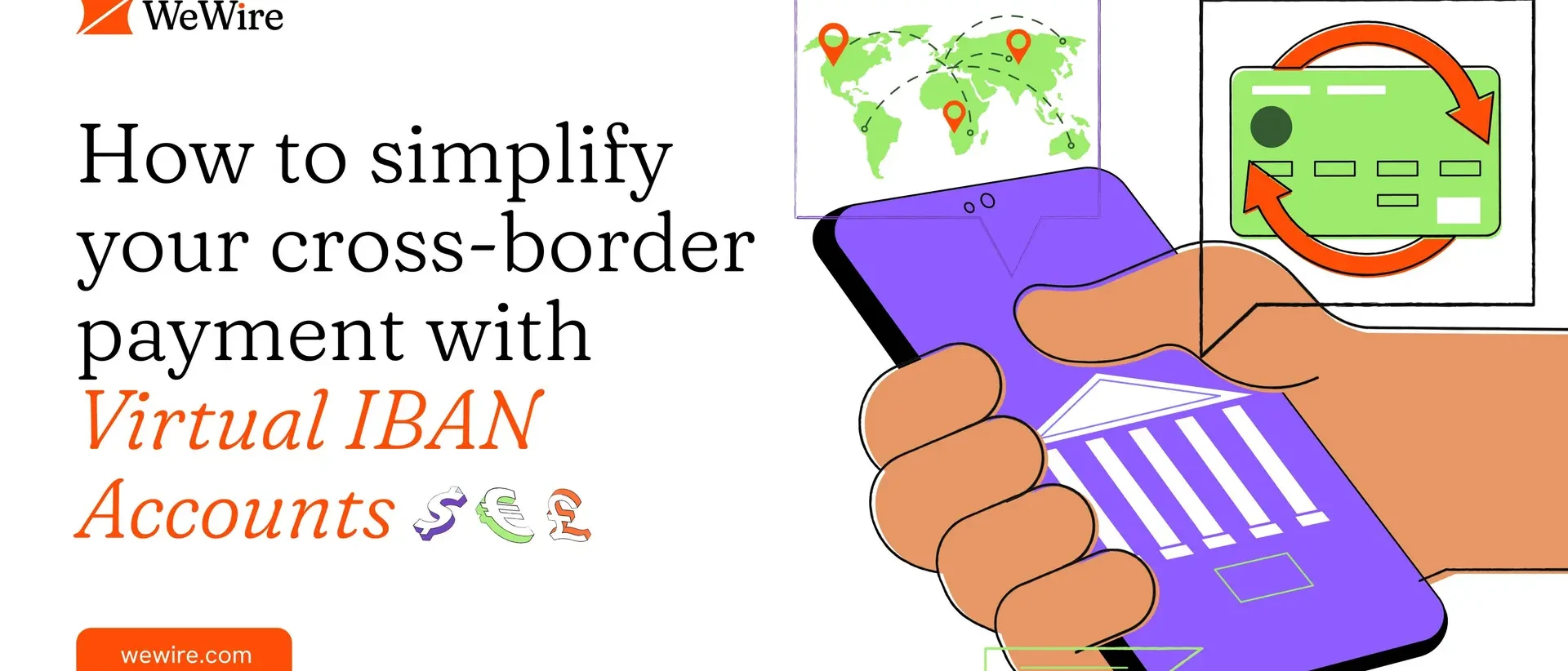
For African businesses, making cross-border payments through traditional banking platforms is rather difficult. Navigating FX liquidity, currency conversions, due diligence, and the extended processing time associated with some of these transactions can pose a major challenge to business operations. E-commerce, fintech, Payment Service Providers, import/export, and travel companies that process high-value and high-volume transactions can simplify their cross-border payment with Virtual accounts.
From collections to conversions, settlement and reconciliations, virtual accounts streamline the entire international payment value chain, saving time and costs.
Simplify cross-border payment with Virtual accounts
1. Collections
Virtual Accounts allow businesses to offer localised payment solutions to customers in other countries. With a virtual account provider like WeWire, an African company can conveniently collect USD, EUR, and GBP payments without facing slow payments, compliance issues, and high international transfer fees.
You don’t need to set up a local bank account to use a virtual account for collections. Simply provide the Virtual Account to the customer. Payment is made in their local currency, and funds received are consolidated into a single main account. This allows businesses to operate globally, interacting with clients in multiple foreign countries without the operational costs and complexities of managing multiple physical bank accounts in each country.
2. Currency Conversions
Traditional cross-border payments often require importers and exporters to source FX in the vendor’s currency, convert it, and pay through a third party. Virtual Account eliminates the need for intermediary banks and currency conversions on the customer’s end, making cross-border transactions faster and more straightforward. This also saves cost on conversion fees for both the buyer and the seller.
3. Settlement & Reconciliations
Reconciling payments, particularly from multiple customers across different regions, is a significant challenge in traditional collection processes. Traditional bank accounts often require extensive manual intervention to match payments with specific invoices or projects.
Virtual Accounts enable businesses to assign unique identifiers to customers, regions, or invoices, automatically tagging incoming payments with relevant information. This allows businesses to automate reconciliation processes, significantly reducing the time and effort needed to match payments to accounts.
Conclusion
Simplifying cross-border payment with Virtual Account is an essential pivot for businesses worldwide. With providers like WeWire, more African businesses can access a global clientele without worrying about collections or reconciliation.
Embracing Virtual Accounts as part of your payment strategy can make cross-border transactions as seamless as domestic ones, empowering growth and simplifying international business.
Is your business ready to take the next step in global expansion?
Sign up for WeWire’s Virtual Account today and start enjoying the benefits of fast, secure, and efficient cross-border transactions.