



Virtual Accounts for Fintech Startups Compliance & Regulation
May 20, 2025 by Diadem Akhabue
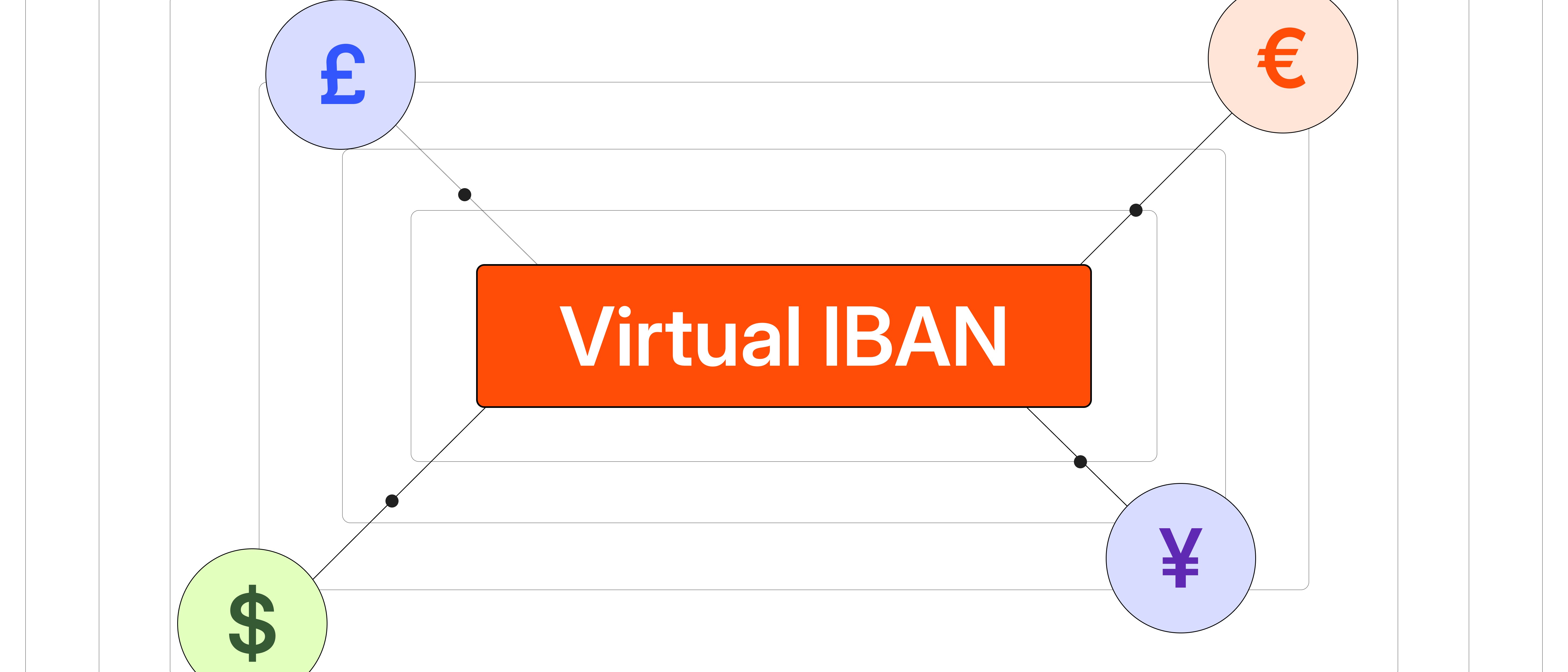
As a financial technology professional, navigating the intricate dance between innovation and compliance is a constant. The fintech landscape—particularly for those operating across borders—is a dynamic arena where agility is paramount, but so is adherence to ever-evolving regulations. In this complex ecosystem, Virtual Accounts for fintech startups have emerged as a powerful tool—not just for operational efficiency, but as a critical component in building a robust, compliant financial infrastructure.
WeWire has spent years immersed in the world of financial regulations, witnessing firsthand the challenges and opportunities they present. Today, WeWire aims to demystify how using Virtual Accounts for fintech operations intersects with compliance, offering a clear, authoritative guide to leveraging them responsibly and effectively. This isn’t just about avoiding penalties; it’s about building trust, mitigating risk, and ultimately, future-proofing a fintech venture.
The Regulatory Tightrope: Why Fintech Needs to Pay Attention
The very nature of fintech – its speed, borderless reach, and often, its disintermediation of traditional financial institutions – means it operates under intense regulatory scrutiny. Global regulators, acutely aware of the potential for financial crime, are constantly tightening their grip. There’s a push for greater transparency and accountability across the board.
Consider the key regulatory pillars that govern fintech operations:
- Anti-Money Laundering (AML): The bedrock of financial integrity, AML regulations aim to prevent illicit funds from entering the financial system. This involves meticulous transaction monitoring, suspicious activity reporting (SARs), and robust internal controls.
- Know Your Customer (KYC): A cornerstone of AML, KYC mandates that financial institutions verify the identity of their customers. This isn’t a one-off check; it’s an ongoing process of due diligence to understand the customer’s financial activities and risk profile.
- Combating the Financing of Terrorism (CFT): Closely related to AML, CFT regulations focus specifically on preventing funds from being used to finance terrorist activities.
- Data Protection & Privacy (e.g., GDPR, local equivalents): Handling sensitive financial data demands stringent protection measures, ensuring customer information is secure and used appropriately.
- Payment Services Directives (e.g., PSD2 in Europe): These directives govern payment services, aiming to foster competition, enhance consumer protection, and improve security within payment ecosystems.
The challenge for fintechs is that these regulations often differ across jurisdictions, creating a complex web of requirements. A misstep in one market can have cascading effects. This is where Virtual Accounts, when implemented correctly, become an invaluable asset.
Virtual Accounts for Fintech Startups: The Ultimate Compliance Enabler
A Virtual IBAN or Virtual Account is an identifier that looks and functions like a standard IBAN but is linked to a master account. It acts as a routing mechanism, allowing businesses to receive payments as if they have a local presence in various countries. While offering tremendous operational benefits, their unique nature also demands a nuanced understanding of their compliance implications.
Here’s how Virtual Accounts, when offered by a reputable provider, actually enhance a fintech’s compliance posture:
- Enhanced KYC and Customer Identification:
- The Challenge: Historically, a concern with virtual accounts was the potential for obfuscated ownership – understanding the ultimate beneficiary behind a transaction.
- The Solution: Leading Virtual account providers are now mandated to conduct thorough KYC procedures, not just on their direct clients (the master account holders), but also on the end-users of the virtual accounts. This means identifying the legal or natural persons using each virtual account.
- WeWire’s Approach: At WeWire, this is prioritized. The onboarding process for Virtual Accounts involves granular KYC/KYB (Know Your Business) checks that extend to verifying the identity of the underlying individuals or entities utilizing each specific virtual accounts. This meticulous approach ensures complete transparency and reduces the risk of identity fraud.
- Robust AML/CFT Controls & Transaction Monitoring:
- The Challenge: The ability of virtual accountss to consolidate multiple transaction channels under a single master account could, if unchecked, make traditional transaction monitoring systems less effective.
- The Solution: Sophisticated Virtual Account platforms integrate advanced transaction monitoring systems that track activity at both the master account and individual virtual account levels. This allows for the detection of unusual patterns, high-risk transactions, or deviations from expected behavior.
- WeWire’s Edge: WeWire’s platforms employ AI-driven analytics to detect suspicious activity in real-time, flagging potential money laundering or terrorist financing attempts. We implement multi-layered approval mechanisms for high-value or high-risk transactions, providing an additional layer of security. This proactive monitoring is crucial given that regulatory bodies like the EBA are increasingly focusing on the adequacy of AML/CFT controls for virtual account providers.
- Simplified Reconciliation & Audit Trails:
- The Challenge: Manual reconciliation of international payments is not only inefficient but also prone to errors that can obscure suspicious activities.
- The Solution: Each Virtual Account can be uniquely assigned to a specific customer, invoice, or project. This unique identifier creates an immediate, clear audit trail, simplifying reconciliation processes and making it easier to provide detailed payment reports for audits.
- Statistical Impact: Automated reconciliation, facilitated by virtual accounts, can reduce operational costs by 20-30% (PwC), freeing up compliance teams to focus on higher-risk areas rather than manual data matching.
- Meeting Cross-Border Regulatory Requirements:
- The Challenge: Navigating different regulatory frameworks across jurisdictions (e.g., the EU’s evolving AML regulations, local requirements in Asia or Africa) is a significant burden.
- The Solution: Reputable Virtual Account providers operate under their own licenses and adhere to the regulations of the jurisdictions they serve. They act as a compliance partner, effectively extending a fintech’s regulatory reach without requiring the establishment of separate legal entities or banking relationships in each country.
- WeWire’s Global Footprint: WeWire maintains robust licensing and compliance frameworks across multiple regions. This means when leveraging WeWire’s Virtual Accounts, businesses are tapping into a network that is already designed to meet diverse international standards, significantly easing the regulatory burden. WeWire stays abreast of developments, such as the EU’s new AML package (expected by 2027), which explicitly includes vIBANs and mandates stronger KYC procedures.
The Evolving Regulatory Landscape: What’s on the Horizon
Regulators are continuously adapting to financial innovation. The European Banking Authority (EBA) has been particularly active in issuing reports and recommendations concerning Virtual Accounts, primarily focusing on mitigating AML/CFT risks. Key takeaways from recent EBA reports include:
- Increased Scrutiny on End-User Identification: There’s a clear move towards requiring virtual account issuers to identify not just the primary account holder, but the ultimate end-user benefiting from the virtual accounts. This is a critical point for ensuring transparency.
- Harmonization of Definitions: While a universally accepted legal definition for virtual accounts is still in progress, regulatory bodies are working towards a more consistent understanding to reduce “regulatory arbitrage” where bad actors exploit differing national rules.
- Enhanced Supervision: Regulators are advising national authorities to intensify their supervision of PSPs offering virtual account services, particularly concerning their AML controls and transaction monitoring systems.
For fintechs, this means the expectation for robust compliance is only going to grow. Partnering with a provider that is proactive in its regulatory adherence is no longer optional; it’s fundamental.
WeWire: Your Trusted Compliance Partner
At WeWire, we don’t just provide Virtual Accounts; we provide peace of mind. Our entire infrastructure is built with compliance at its core, allowing fintechs to focus on their core business while WeWire handles the complexities of financial regulation.
Here’s how WeWire positions fintechs for compliance success:
- Proactive Compliance Frameworks: WeWire constantly monitors global regulatory changes and proactively adapts its systems and processes. This means clients benefit from a solution that is always up-to-date with the latest AML, KYC, and data protection requirements.
- Advanced Fraud Prevention: WeWire’s systems incorporate cutting-edge fraud detection technologies, layered with manual oversight by experienced compliance professionals.
- Granular Reporting & Audit Trails: We provide comprehensive transaction data and reporting capabilities that are audit-ready, allowing easy satisfaction of regulatory requests.
- Dedicated Compliance Support: WeWire’s team of compliance experts is available to guide clients through the process, ensuring their specific use case for Virtual IBANs aligns with all relevant regulations.
- Secure Infrastructure: We employ bank-grade security measures, including advanced encryption and multi-factor authentication, to protect data and transactions.
The adoption of Virtual Accounts among fintechs is rapidly accelerating. A Finextra survey indicates that 55% of mid-sized fintechs plan to implement virtual accounts or equivalent virtual account solutions by the end of 2025. This isn’t just about efficiency; it’s about smart, compliant growth.
Conclusion: Navigate the Future with Confidence
The future of fintech is global, fast, and highly regulated. A virtual accounts for fintech startups is a pivotal innovation that, when harnessed correctly, can be a cornerstone of a fintech’s compliance strategy—rather than a compliance headache. It offers transparency, control, and efficiency, all while empowering global operation with localized ease.
Selecting the right Virtual Account provider is paramount. Fintechs need a partner that understands the nuances of international regulation, invests heavily in compliance technology, and maintains a proactive stance. WeWire is that partner. We are committed to providing the secure, compliant, and efficient financial infrastructure needed to thrive in today’s demanding regulatory environment.
Don’t just innovate; innovate responsibly. Leverage virtual accounts for fintech startups with WeWire, and build a future where compliance is a competitive advantage, not a limitation.