



Love Across Borders: How Stablecoins Are Quietly Powering Modern Remittances
February 11, 2026 by johneb492254456
Remittances represent more than money; they carry love, support, and hope from one country to another. For millions of families separated by borders, sending funds home has long meant high costs, long waits, and lost value. Stablecoins, digital currencies designed to maintain a stable value, are quietly but powerfully changing this by making transfers faster, cheaper, and more reliable. This presentation explores the human side of this shift and why it matters today.
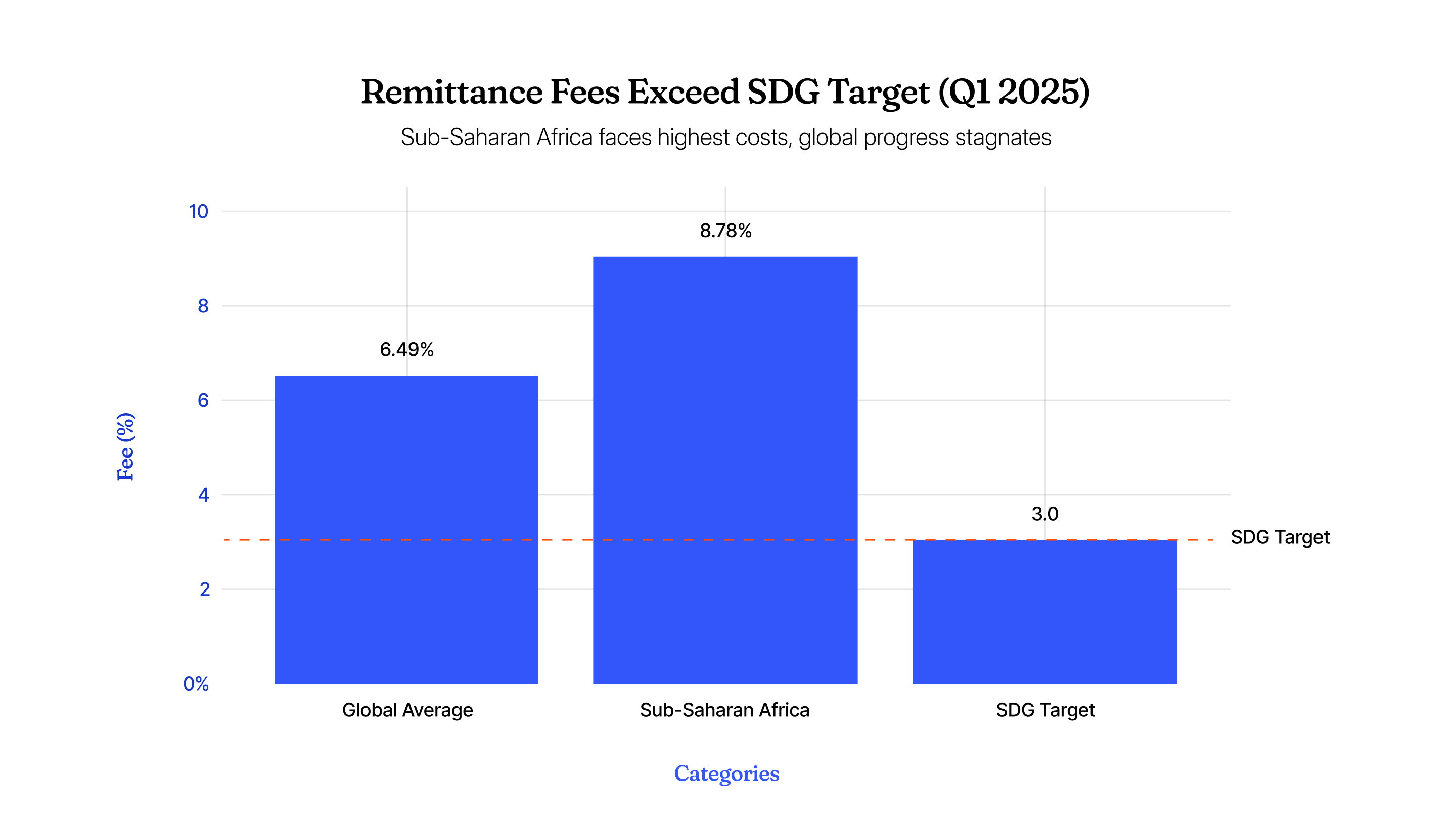
Cross-border remittances total hundreds of billions of dollars each year, supporting families in low- and middle-income countries far more than foreign investment or aid in many cases. Yet the process remains burdensome. The World Bank reports that the global average cost to send remittances stayed around 6.49% in 2025, well above the global target of 3%. In regions like Sub-Saharan Africa, fees often rise, sometimes to 8-9%. Delays of several days are common due to multiple banks and intermediaries involved in correspondent networks, plus unpredictable foreign exchange spreads that reduce what recipients actually get. These frictions hit hardest in corridors where people rely on every dollar or peso for essentials like food, education, and healthcare.
 Stablecoins maintain consistent value by pegging to assets like the U.S. dollar, making them unlike volatile cryptocurrencies. Popular ones include USDT and USDC, which together process massive volumes monthly. Chainalysis data from 2025 shows stablecoins surging in use for practical needs rather than speculation. They operate on blockchain networks that enable near-instant, 24/7 transfers without relying on traditional banking layers. This creates predictability; senders know exactly how much arrives, and recipients avoid surprise deductions. Adoption grows strongest where local currencies face inflation or access to hard currency is limited, turning stablecoins into a bridge for everyday financial needs.
Stablecoins cut remittance times from days to minutes and slash fees dramatically, often below 1% for the blockchain portion, compared to traditional averages over 6%. In high-adoption areas, this saves households significant amounts annually. Recipients can hold funds digitally or convert to local currency when ready, bypassing opaque intermediaries. Chainalysis highlights how stablecoins serve as a hedge in volatile economies and enable reliable cross-border payments.
Adoption thrives in regions facing economic pressures. In Sub-Saharan Africa, stablecoins make up a large portion of crypto activity, with Chainalysis noting 43% of transaction volume in some areas tied to remittances and payments. Latin America sees strong use in corridors like the U.S.-Mexico, where platforms process billions. Asia, including India and the Philippines, integrates stablecoins for diaspora transfers amid large remittance inflows. These areas show grassroots demand—people choose stablecoins for speed and reliability in high-inflation or currency-constrained settings. Reports from Chainalysis and others confirm this practical, need-driven growth, not hype.
Stablecoins often work quietly within familiar apps and wallets, not as a full replacement for banks but as efficient rails underneath. Users send via platforms that handle conversions seamlessly, so the experience feels simple. Regulatory steps, like the U.S. GENIUS Act in 2025 and frameworks in other regions, add transparency and trust through reserve requirements and audits. This evolution turns remittances from a slow banking service into a modern payments utility faster, clearer, and more aligned with real human needs. As more fintechs and institutions adapt, expectations for cross-border money movement rise toward what families deserve.
Stablecoins are reshaping remittances by prioritizing practicality, delivering more value where it matters most. This quiet transformation empowers families across borders, reduces exclusion, and fosters financial resilience in challenging economies. While challenges like regulation and access remain, the momentum points to broader change. Remittances evolve into something more inclusive and efficient, staying true to their core purpose: connecting people with care and support. The future looks clearer, faster, and more human-centered.