



Markets Rally on Bad News: Why Crisis Is Now a Bullish Signal
April 22, 2026 by johneb492254456
In recent years, a counterintuitive pattern has emerged: bad news often precedes market rallies. Events that normally spark risk-off – weak economic data, geopolitical shocks, or earnings misses – have instead coincided with rising stock prices. This reflects a shift in how investors interpret turmoil. Rather than immediate pessimism, market participants increasingly view crises as heralds of policy support. In effect, bad headlines signal that central banks or governments may soon ease monetary or fiscal policy, providing a floor under asset prices. For example, analysts have noted that when weak data hit, “markets may rally on bad news if investors believe the bad news will push the central bank toward easier policy later”. This forward-looking stance means markets are trading expectations, not just current conditions.
One key driver is the anticipation of central bank action. Investors have been conditioned to expect rate cuts, liquidity injections or bond-buying when growth falters. For instance, during 2025–26 analysts noted that U.S. stocks were “mired in a bad-news-is-good-news regime” because weak data heighten the odds of Fed easing. Despite the Fed’s more cautious tone, markets still price multiple cuts by year’s end. By January 2026, Wall Street brokerages persisted in forecasting two rate cuts, even as the Fed signaled only one. In Europe and Asia, similar dynamics play out: investors have cheered weak inflation or growth data, betting it will spare them hawkish policy. In short, disappointing economic signals are being interpreted as central-bank dovishness, prompting a rally rather than a selloff.
Structural changes in markets amplify these reactions. Algorithmic and high-frequency trading systems now dominate volume, and many of these strategies scan news for shifts in policy expectations. Passive investment flows (like ETFs) also mean that large stock moves can occur mechanically. As one analysis noted, price moves today “are not just higher volatility but continuous narrative resets” under uncertainty. In practice, this means a negative news event that lowers policy uncertainty can trigger automated buying. Weekly flow data illustrate this: for example, when stocks and bonds fell in mid-March 2026 amid war jitters, Bank of America reported that investors snapped up $62 billion into U.S. equity funds and $10 billion into bond funds. In other words, even as sentiment soured, systematic flows pushed money into markets. This passive/bot-driven behavior helps explain how markets can climb even when headlines are dire.
There is also a strong behavioral element. After decades of central-bank rescues (post-2008, COVID, etc.), investors have learned to “buy the dip” reflexively. Bad economic readings or market drops often spark hope that stimulus is imminent. This collective psychology is self-reinforcing: as long as buying rallies the market, traders continue to pile in on weakness. In practice, a tumble in stocks amid war or weak data has frequently been met by bargain-hunting. For example, in early 2026, U.S. markets saw record inflows even as Middle East conflicts rattled sentiment. Analysts have noted that such dips are now perceived as “temporary dislocations” rather than structural threats. This mindset keeps the upward bias intact and makes crisis moments into opportunities rather than lasting selloffs.
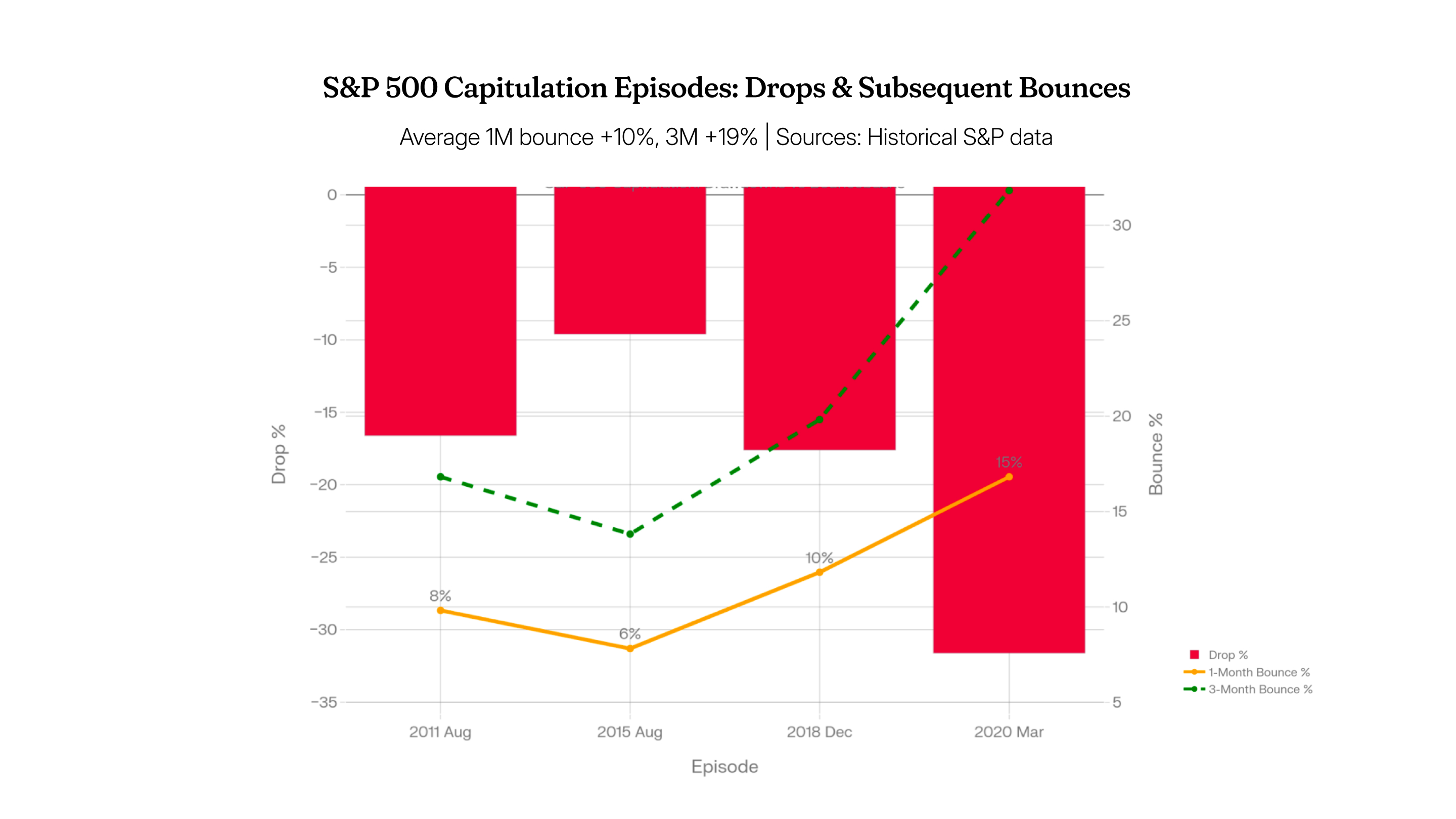 The net effect is that market prices often detach from immediate sentiment. Instead of mirroring economic reality, prices are driven by forward-looking policy and liquidity expectations. As one strategist put it, markets are “pricing forward-looking policy responses” rather than current fundamentals. This explains peculiar moves: for example, a surprisingly weak jobs report might spark a rally if it increases hopes of rate cuts, while stronger data could cause a selloff if it dampens that hope. During episodes of “structural uncertainty,” markets focus on how news fits into a broader narrative. Under this logic, a data point that “confirms a fragile narrative” gets a disproportionate move, whereas contradictory news is often ignored. In short, markets today are betting on the next phase of policy rather than reacting solely to today’s headlines.
This phenomenon is global. In Europe, equities have rallied even as local indicators soured. For instance, in mid-March 2026 the German DAX index climbed 0.7% despite a sharp drop in a German investor morale survey. Investors instead focused on European Central Bank signals and energy-driven inflation trends. Similarly in Asia, markets have shrugged off regional conflicts. On April 20, 2026 Hong Kong’s Hang Seng index rose 0.8% and Tokyo’s Nikkei gained 0.6% “despite negative sentiment over [the Middle East] conflict,” as investors bid up tech and renewable energy stocks. In each case, local bad news (weaker sentiment or geopolitical risk) was offset by the belief that central banks or policy-makers will act to cushion the blow. These examples show that the U.S. pattern – “crisis as bullish signal” – has become a global market instinct.
The persistence of this pattern carries both opportunities and risks. On one hand, it has extended the bull market: analysts see more room to run if central banks do begin easing as markets expect. On the other hand, it means valuations can become stretched, and markets may be vulnerable if the expected policy relief does not materialize. Notably, recent surveys show Wall Street still “sticking to two Fed rate cuts in 2026” even after mid-year shocks, contrasting with the Fed’s own dot-plot that penciled just one cut. If inflation or geopolitical tensions remain higher for longer, the old cycle of “bad news = good policy” could break, leading to sharper corrections. At the same time, think tanks and official reports (IMF, BIS) warn of heightened structural risks – from rising defense spending to policy inflexibility – which could redefine the next phase of this cycle. For now, investors remain on edge: most are positioned defensively despite the rally, aware that complacency could be punished. The key takeaway is that markets today are forecasting tomorrow’s policy; understanding this forward focus is essential to making sense of why crises can act as bull-market signals.