



How Virtual Accounts Are Breaking Banking Barriers in Emerging Markets
May 5, 2025 by Diadem Akhabue For businesses in emerging markets with global ambitions, the traditional banking landscape often feels like navigating a minefield. The simple act of setting up international bank accounts—a cornerstone for seamless cross-border transactions—can be fraught with obstacles. Lengthy application processes, stringent eligibility criteria, exorbitant fees, and geographical limitations have historically erected formidable barriers, hindering growth and stifling international trade. But now, virtual IBANs are breaking banking barriers, offering a more accessible, efficient, and inclusive path to global financial participation. Imagine a thriving e-commerce startup in Nigeria, Ghana, or Malaysia eager to tap into the European market. They face the daunting prospect of establishing a Euro-denominated bank account. This might involve navigating complex local regulations in Europe, enduring weeks or even months of bureaucratic hurdles, and potentially incurring significant travel costs just to attend in-person verification meetings. Similarly, a burgeoning software development firm in Pakistan looking to receive payments from U.S. clients might struggle with slow and expensive traditional wire transfers, eroding their profit margins and creating cash flow uncertainties. These are not isolated incidents. Businesses across emerging markets—from Latin America to Southeast Asia—grapple with similar challenges. The limitations of traditional banking systems often put them at a distinct disadvantage compared to their counterparts in developed economies, hindering their ability to participate fully in the global marketplace. That’s where the virtual accounts comes in. This transformative solution is creating a powerful alternative—one that’s reshaping access to global finance for businesses in emerging markets. With the ability to receive payments in local currencies across borders as if operating domestically, virtual accounts are breaking banking barriers, eliminating friction and enabling real financial inclusion. We’ll also look at how modern payment rails like ACH, SWIFT, and Fedwire fit into this evolving picture, and why WeWire is leading the charge in making inclusive global banking not just possible, but practical. Emerging markets are bursting with entrepreneurial energy and innovation. Yet, many businesses in these regions hit a wall when trying to open international business bank accounts. The reasons are frustratingly systemic: The result? Businesses are locked out of global markets or forced to rely on expensive, slow, or informal payment systems. A Virtual Account or Virtual IBAN (International Bank Account Number) is a unique, bank-issued number that enables businesses to send and receive payments just like a traditional account—but without requiring a physical presence at a bank. Think of it as your international business account in the cloud—purpose-built for flexibility, speed, and scale. Virtual Accounts integrate seamlessly with global payment networks, allowing you to send and receive money through the same rails used by large corporations and institutions. Here’s how different payment methods come into play: Let’s break down how this translates into real advantages for emerging-market businesses: Instead of chasing foreign bank approvals or jumping through outdated compliance hoops, businesses can focus on growth, sales, and expansion. At WeWire, we understand that banking shouldn’t be a privilege for a few—it should be a tool for progress for everyone. Here’s why hundreds of businesses across emerging markets trust WeWire to power their cross-border finance: WeWire provides virtual accounts in major currencies like USD, EUR, and GBP, allowing you to accept payments from clients in the U.S., EU, and beyond—without setting up local subsidiaries. We don’t penalize you for where you’re from. Whether you’re based in Ghana, Pakistan, or the Philippines, WeWire uses fair, real-time risk assessments—so you’re evaluated on your compliance, not your country. With a simplified KYC process and transparent, flat fees, you get up and running quickly—no hidden costs or complex fee structures. With access to ACH, SWIFT, and Fedwire, you can send and receive payments just like any global business—securely, quickly, and at scale. The old rules of banking were written for a world where finance was local, and only a few could play on the global stage. But today’s businesses are borderless—and their financial infrastructure should be too. Virtual accounts are breaking banking barriers, offering businesses in emerging markets a legitimate, powerful alternative to traditional banking. And with forward-thinking providers like WeWire, access is finally meeting ambition. If your business is ready to go global without being held back by outdated systems and unfair labels, it’s time to explore what Virtual accounts can do for you. Ready to start?
Diadem Akhabue
The Problem: High-Risk Labels and Limited Access
Virtual Accounts are Breaking Banking Barriers
Key Benefits of Virtual Accounts:
How Virtual Accounts Work With Global Payment Networks
ACH (Automated Clearing House) – Best for local U.S. payments
SWIFT (Society for Worldwide Interbank Financial Telecommunication) – Best for global bank-to-bank transfers
Fedwire – Best for high-value, same-day USD transfers
Why This Matters for Businesses in Emerging Markets
Challenge
Traditional Banking
Virtual IBAN
International account setup
Requires local presence, high fees
Done remotely, often within days
Currency management
Limited multi-currency support
Hold and convert multiple currencies
Perception of risk
Often flagged for country of origin
Assessed based on business activity
Access to payment networks
Limited unless partnered with big banks
Direct access to ACH, SWIFT, Fedwire
Speed & transparency
Delays and hidden fees
Fast, transparent settlements
Why Choose WeWire as Your Virtual Account Provider?
Global Collection Accounts
Built for Emerging Market Realities
Fast Onboarding & Transparent Pricing
Integrated Payment Rails
The Future of Global Finance Is Borderless
Explore WeWire’s Virtual Account solutions and unlock your access to global banking—without borders, without bias.

Enhancing Digital Wallets With Virtual Account Integration
April 22, 2025 by Diadem Akhabue The demand for seamless, fast, and secure financial tools has never been higher. Businesses—from SMEs to large enterprises—are navigating complex international transactions daily. Digital wallets have helped revolutionize how we manage and spend money, offering convenience and accessibility at our fingertips. But as the world becomes increasingly interconnected, the limitations of traditional digital wallets in handling cross-border transactions and offering true financial autonomy are becoming apparent. The solution? Virtual Accounts, a game-changer which when integrated elevates digital wallets to a new level of functionality and global reach. For digital wallet providers looking to stay ahead of the curve and offer their users unparalleled financial flexibility, understanding and implementing virtual accounts is a necessity. Initially, digital wallets primarily focused on simplifying local transactions – think contactless payments in stores or peer-to-peer transfers within the same country. While incredibly useful, their capabilities often hit a wall when users need to receive funds internationally or manage finances across different currencies seamlessly. This is where the integration of virtual accounts steps in, transforming digital wallets from localized tools into powerful global financial hubs. A virtual account or virtual IBAN (International Bank Account Number) is a unique, account-identifying number that operates within an existing bank account structure. Unlike traditional bank accounts that require physical presence and lengthy paperwork, virtual IBANs can be generated quickly and efficiently, often through API integrations. For digital wallets, this offers a plethora of advantages: At WeWire, we understand the transformative potential of virtual account integration for digital wallets. Our robust and scalable API infrastructure is designed to seamlessly integrate with your existing platform, enabling you to offer your users a world of financial possibilities. The future of digital wallets lies in their ability to transcend geographical boundaries and offer users a truly global financial experience. Virtual account integration is a critical step in this evolution, enabling digital wallets to become comprehensive financial management tools for the modern, interconnected world. Consider the possibilities: Integrating virtual accounts is no longer a futuristic concept – it’s a tangible solution that can significantly enhance the functionality and appeal of your digital wallet. By partnering with WeWire, you can empower your users with seamless global receive capabilities, reduce costs, and position your digital wallet as a leader in the evolving fintech landscape. Ready to unlock the full global potential of your digital wallet? Contact WeWire today to explore how our virtual account solutions can transform your platform and empower your users in the interconnected world.
Diadem Akhabue

The Evolution of Digital Wallets: From Local Convenience to Global Powerhouse
What are Virtual Accounts and Why are They a Perfect Fit for Digital Wallets?
WeWire: The Engine Powering Global Digital Wallets
Here’s how WeWire empowers your digital wallet with virtual account capabilities:
The Future of Digital Wallets is Global
Conclusion: Unlock Global Potential with WeWire’s Virtual Account Integration

Why Every Scaling Fintech Should Consider Virtual Accounts in 2025
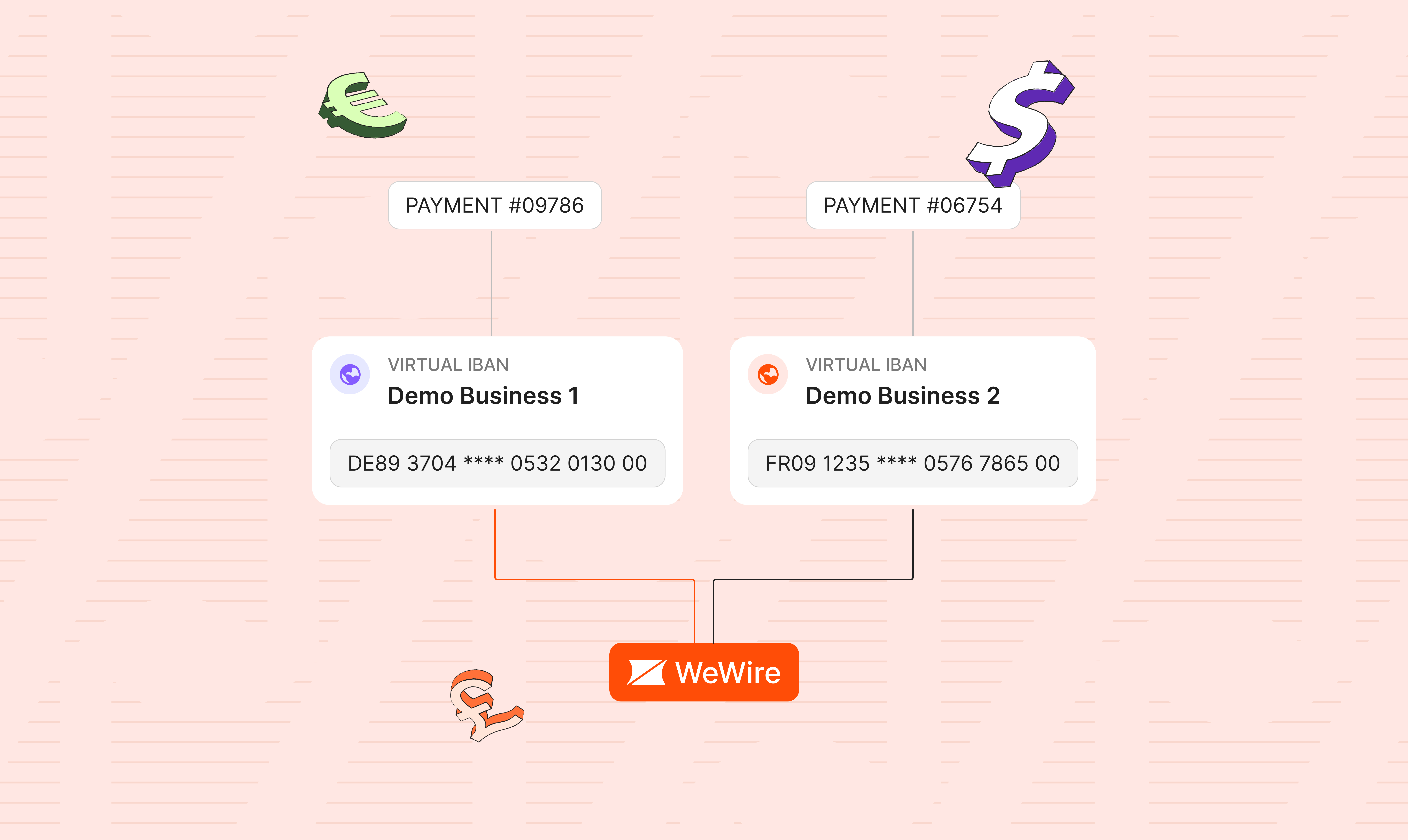
April 9, 2025 by Diadem Akhabue The fintech landscape in 2025 is fast-paced, hyper-competitive, and increasingly global. Startups are under pressure to move money faster, offer better user experiences, and stay compliant with evolving regulations across borders. Fintech companies, by nature, often operate across borders, serving a diverse clientele. Whether it’s a remittance platform, an e-wallet provider, or a cross-border e-commerce facilitator, the ability to handle multiple currencies is paramount. Traditional banking systems, however, pose significant challenges. In this environment, Virtual IBANs (International Bank Account Numbers) have emerged as a quiet force transforming how fintechs manage money flow, streamline operations, and scale globally. If your fintech is preparing for growth, Virtual Accounts are no longer a nice-to-have, they’re a strategic necessity. A Virtual Account or Virtual IBAN is a unique bank account number that is not tied to a specific bank account, but instead linked to a central, pooled account. When funds are sent to the virtual account, they’re automatically routed to the underlying master account, while preserving payment traceability and allowing granular reconciliation. Think of it as assigning unique identifiers to each customer, wallet, or transaction flow—without needing to open a separate bank account for each one. Fintech companies at the scaling stage are typically juggling multiple complex needs: According to a Statista report, the global fintech market is expected to exceed $340 billion in value by 2027, with digital payments and neobanking leading the charge. As these companies scale, so do the volume, complexity, and regulatory scrutiny of their financial transactions. Traditional bank accounts can make reconciliation a nightmare. When funds from multiple users, countries, or services flow into one account, identifying who paid what and when becomes a manual headache. Scaling into new regions typically means setting up local banking infrastructure, navigating licensing, and dealing with settlement delays. With Virtual accounts, you can issue local account details in multiple currencies (e.g., GBP, EUR, USD) without the need to open a local bank account. Virtual accounts bridge the gap between global ambition and local financial access. Today’s fintech users expect real-time everything—from money transfers to account updates. By giving each customer their own virtual IBAN, you deliver personalized account details, instant settlements, and better communication about payment status. For B2B fintechs serving PSPs, marketplaces, or embedded finance platforms, virtual accounts help deliver bank-grade experiences without building a bank. As your fintech scales, so does regulatory complexity. Financial regulators increasingly require audit trails, transaction-level KYC, and anti-money laundering (AML) controls. Virtual accounts make it easier to: With more granular control and traceability, you stay ahead of compliance hurdles in each market. Opening and managing multiple real bank accounts across jurisdictions is expensive, slow, and admin-heavy. Virtual accounts eliminate the need to scale banking infrastructure linearly with growth. You can: The shift toward virtual account infrastructure is real, and the early adopters are already gaining an edge. At WeWire, we understand what scaling fintechs need because we’re built for that journey. WeWire’s Virtual Account solution offers: Whether you’re a neobank, lending platform, marketplace, or embedded finance provider, WeWire helps you move money globally with clarity, control, and speed. Ready to Scale Smarter? Book a demo with WeWire to see how Virtual IBANs can transform your cross-border operations in 2025 and beyond.
Diadem Akhabue

What is a Virtual Account?
The Fintech Growth Challenge in 2025
That’s where Virtual accounts step in.5 Reasons Why Virtual Accounts Are Critical for Scaling Fintechs
1. Better Cash Flow Visibility and Reconciliation
With Virtual accounts, fintechs can assign a unique IBAN to each customer or transaction type. This enables automated, real-time reconciliation, reducing errors, operational costs, and finance team overload.2. Accelerated Cross-Border Capabilities
This means:
3. Improved Customer Experience
4. Regulatory Compliance and Audit Readiness
5. Operational Efficiency Without Infrastructure Overhead
The Rise of Virtual Accounts in 2025: What the Market Is Saying
Why WeWire Is the Go-To Provider for Virtual Accounts
As your fintech grows, your financial infrastructure needs to grow smarter—not more complex.
Virtual accounts are the key to scaling globally while keeping operations lean, compliant, and efficient. And WeWire is your partner in building a payment foundation fit for the future.
Benefits of virtual accounts for fintech startups
March 27, 2025 by Diadem Akhabue The fintech revolution, a whirlwind of innovation and disruption, has promised to democratize financial services, especially in emerging markets. McKinsey’s 2020 analysis highlights the rapid growth of African fintech, revealing revenues of $4 billion to $6 billion and market penetration of 3-5% across the continent, excluding South Africa. However, the journey for many startups, particularly those in Africa and similar regions, is often fraught with roadblocks. One of the most significant challenges is securing and maintaining international bank accounts, a critical lifeline for global operations. The specter of account closures, driven by perceived high risk and stringent compliance requirements, looms large, stifling growth and hindering cross-border ambitions. This is where the transformative potential of Virtual Accounts becomes profoundly apparent, offering a powerful solution to navigate these turbulent waters. For fintech startups in Africa, Latin America, and parts of Asia, one of the biggest hurdles to growth is securing and maintaining stable banking relationships. Traditional banking institutions, often rooted in legacy systems and risk-averse practices, view startups from emerging markets with heightened scrutiny. The perceived instability of these regions, coupled with the complexities of regulatory landscapes, translates to increased compliance burdens and a higher risk of account closures. Several key issues contribute to this problem: Many global banks classify fintech startups in emerging markets as high risk due to concerns about money laundering, fraud, and regulatory uncertainty. As a result, these banks either refuse to onboard startups from these regions or, after an initial period of service, suddenly close their accounts. This disrupts operations and leaves businesses scrambling for alternative solutions. Global banking institutions must comply with strict anti-money laundering (AML) and know-your-customer (KYC) regulations. Many fintech startups in emerging markets struggle to meet these high standards due to differences in regulatory frameworks and limited access to compliance resources. Operating internationally requires fintech startups to transact in multiple currencies, but many traditional banks do not offer this flexibility. Even when multi-currency accounts are available, high transaction fees and slow processing times hinder efficiency. Traditional banking systems often involve lengthy processing times for international transactions, causing delays in fund settlement. Additionally, high fees for cross-border transactions eat into the revenue of startups, making growth less sustainable. Virtual Accounts offer an innovative and efficient way to overcome these banking challenges. Unlike traditional bank accounts, virtual IBANs allow fintech startups to receive and send payments internationally without the need for a physical banking presence in multiple countries. Here’s how they solve critical issues Africa has one of the largest remittance markets in the world, but startups facilitating cross-border money transfers often struggle with banking restrictions. Virtual Accounts enable these startups to collect payments in different countries without requiring a physical banking presence, making it easier to process remittances affordably. Fintech startups offering digital wallets and online payment solutions can use virtual Accounts to provide seamless transactions for customers and merchants. This is especially useful in regions where traditional banking penetration is low, and digital payments are on the rise. Many fintech startups in the crypto and forex trading space face difficulties with banks that are hesitant to work with them due to regulatory uncertainties. Virtual Accounts offer an alternative way to manage fiat currency transactions without relying on traditional banks that may unexpectedly close their accounts. WeWire offers fintech startups in emerging markets a robust virtual account solution tailored to their needs. Key benefits include: Virtual Accounts are transforming the way fintech startups in emerging markets manage their finances. By offering stability, compliance, multi-currency capabilities, and cost-effective transactions, virtual account providers like WeWire empower startups to scale internationally without the traditional banking constraints. For fintech entrepreneurs navigating the complexities of global banking, embracing virtual account solutions can be the key to unlocking new growth opportunities and ensuring financial resilience in an unpredictable regulatory environment.
Diadem Akhabue

The Banking Challenges Facing Fintech Startups in Emerging Markets
1. International Account Closures Due to Risk Perception
2. Strict Compliance and Regulatory Hurdles
3. Limited Access to Multi-Currency Accounts
4. High Costs and Slow Settlement Times
Key Benefits of Virtual Accounts
Real-World Use Cases of Virtual Accounts for Fintech Startups
Cross-Border Payments for African Remittance Startups
E-commerce and Digital Wallets in Emerging Markets
Crypto and Forex Trading Platforms
Why WeWire is the Right Virtual Account Provider for Fintech Startups
Conclusion
How Virtual Accounts power multicurrency payments for Fintech companies
March 20, 2025 by Diadem Akhabue The fintech landscape is a dynamic arena, driven by innovation and the relentless pursuit of seamless financial experiences. At the heart of this revolution lies the need for efficient, secure, and cost-effective multicurrency, cross-border payment solutions. Using Virtual Account for Fintech companies is emerging as a pivotal tool, empowering them to navigate the complexities of global finance with agility and precision. According to Statista, the global cross-border e-commerce market is expected to reach $7.9 trillion by 2030. A Virtual account enables e-commerce facilitators and other fintech players to accept payments from customers worldwide, expanding their market reach. Fintech companies, by nature, often operate across borders, serving a diverse clientele. Whether it’s a remittance platform, an e-wallet provider, or a cross-border e-commerce facilitator, the ability to handle multiple currencies is paramount. Traditional banking systems, however, pose significant challenges: Virtual accounts offer a streamlined approach to multicurrency payments, addressing the limitations of traditional banking. They provide fintech companies with the ability to: WeWire stands at the forefront of virtual account solutions, providing fintech companies with the tools they need to thrive in the global marketplace. We offer: As the fintech industry continues to evolve, virtual accounts are poised to play an increasingly crucial role in shaping the future of payments. Their ability to streamline multicurrency transactions, reduce costs, and enhance compliance makes them an indispensable tool for fintech companies seeking to expand their global reach. In conclusion, virtual accounts are not just a payment solution; they are a strategic asset for fintech companies. By partnering with a reliable provider like WeWire, fintechs can unlock new opportunities, enhance customer experience, and drive sustainable growth in the global marketplace.
Diadem Akhabue
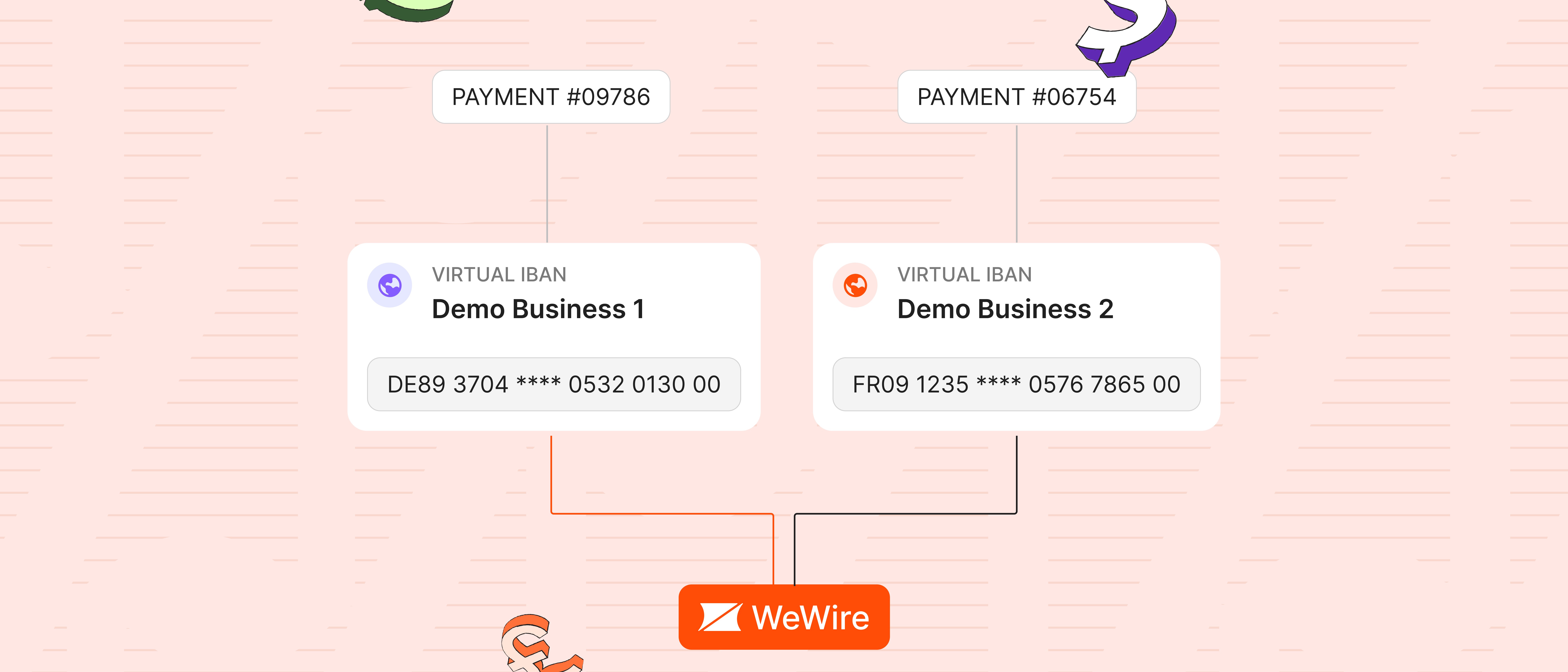
The Multicurrency Challenge for Fintechs
Virtual Accounts for Fintech Companies: A Game-Changer
Empowering Fintech Innovation with WeWire’s Virtual account
The Future of Fintech Payments
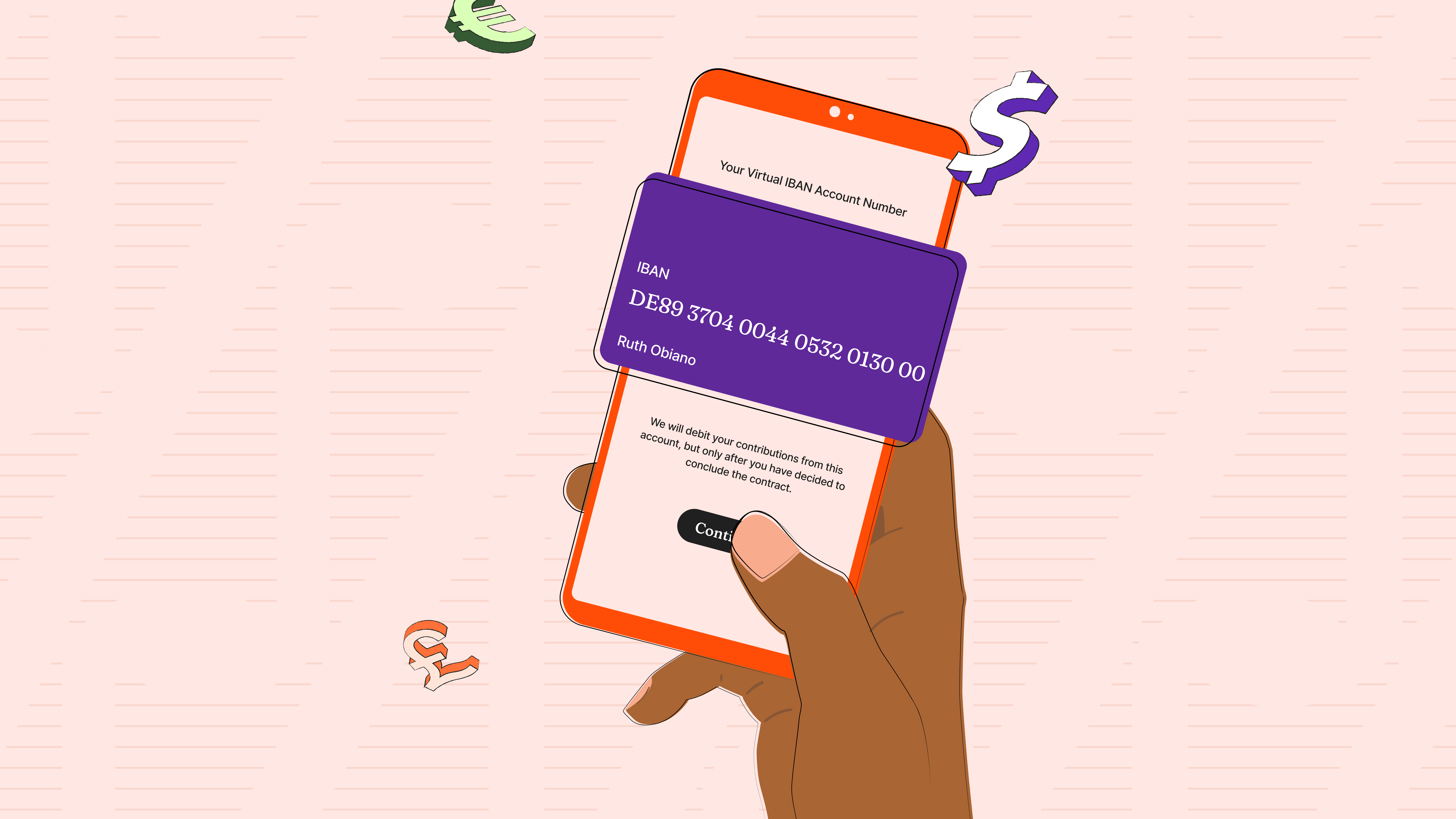
Enhancing Liquidity Management with Virtual Accounts
March 20, 2025 by Diadem Akhabue Ensuring success in business of any size is much more than just buying and selling goods or services. Businesses need agile and efficient solutions to optimize cash flow and manage liquidity effectively. All that money coming and going out in different currencies need to be efficiently managed, and disbursed. Traditional banking structures often present limitations, especially for global companies operating across multiple markets. Virtual accounts have emerged as a game-changer in liquidity management, offering enhanced transparency, control, and operational efficiency. In this article, we explore how virtual IBANs can transform liquidity management, enabling businesses to streamline their payment processes, reduce costs, and improve cash visibility. Liquidity, in essence, is the ease with which a company can convert its assets into cash to meet short-term obligations. A study in the US showed that 82% of businesses fail due to cashflow problems. Poor liquidity management can lead to cash flow bottlenecks, missed opportunities, and even financial distress. Traditional banking systems often involve: These challenges necessitate a modern, agile solution that empowers businesses to manage their liquidity effectively.This is where solutions like WeWire Virtual IBAN accounts that process payments in USD, EUR and GBP comes in. A Virtual IBAN (International Bank Account Number) or Virtual Account is a unique identifier that facilitates payments without requiring a physical bank account. While linked to a master account, virtual IBANs allow businesses to receive and manage funds in multiple currencies and locations without opening separate bank accounts. Unlike traditional IBANs, which are tied to a specific bank and account holder, vIBANs provide an additional layer of flexibility and efficiency, making them ideal for businesses engaged in high-volume transactions, cross-border operations, and multi-currency payments. Liquidity management involves ensuring that a company has sufficient funds to meet its obligations while optimizing cash flow. Virtual IBANs provide several benefits that significantly enhance liquidity control: With virtual Accounts, businesses can consolidate incoming payments from various regions into a single master account. This eliminates the need for multiple banking relationships and accounts across jurisdictions, reducing administrative overhead and improving cash flow visibility. Traditional banking systems often make it challenging to track incoming payments efficiently. Virtual Accounts assign unique identifiers to different clients, departments, or transactions, making it easier to reconcile payments in real-time. Businesses can gain deeper insights into cash flow patterns and optimize their liquidity strategies accordingly. Maintaining multiple bank accounts across different countries can be costly due to maintenance fees, transaction charges, and compliance costs. Virtual Accounts help businesses bypass many of these expenses by consolidating accounts under a single banking partner, leading to significant cost savings. Virtual Accounts streamline international payments by reducing the reliance on intermediaries, which often cause delays and additional fees. With direct settlement capabilities, businesses can process transactions faster, improving liquidity turnover and ensuring timely fund availability. Managing liquidity across multiple jurisdictions comes with regulatory complexities. Virtual Accounts enhance compliance by offering clear audit trails, automated reconciliation, and fraud detection mechanisms. This improves financial security and minimizes exposure to operational risks. Virtual Accounts offer immense value across various industries that rely on efficient liquidity management, including: At WeWire, we provide businesses with cutting-edge virtual IBAN solutions designed to enhance financial efficiency. Our vIBANs offer: By enhancing liquidity management with Virtual accounts, businesses can now enjoy greater transparency, cost savings, and operational efficiency. Leveraging WeWire’s virtual account solutions enables companies to streamline cash management, accelerate payments, and gain a competitive edge in today’s fast-paced financial landscape. Explore how WeWire’s virtual accounts can optimize your business’s liquidity management today!
Diadem Akhabue

Understanding the Liquidity Challenge
What Are Virtual Accounts?
How Virtual Accounts can enhance liquidity management
1. Centralized Cash Flow Management
2. Enhanced Transaction Visibility and Reporting
3. Cost Efficiency and Reduced Banking Fees
4. Faster Cross-Border Transactions
5. Improved Risk Management and Compliance
Industries Benefiting from Virtual Accounts for Liquidity Management
How WeWire’s Virtual Accounts Optimize Liquidity Management
Conclusion

Simplifying Import Duty Payments with Virtual Accounts
March 19, 2025 by Diadem Akhabue A few minutes with the average global trader and one of the key challenges you will hear about are the complexities of processing international payments. Currency fluctuations, hefty transfer fees, and mountains of paperwork for client transactions, import duties and tax payments can quickly become a burden that threatens to derail hard-earned success. This is the reality for many global traders, especially African traders who are faced with the extra difficulty of being denied access to international banking services due to being perceived as high risk. But what if there was a simpler, more efficient way to navigate the challenges of import duty and tax payments? What if simplifying import duty payment was possible? Efficiency in financial transactions is critical for success, especially when it comes to global trade. One of the biggest challenges for international traders is managing import duty and tax payments across multiple jurisdictions. Delays, hidden fees, and cumbersome banking processes can slow down supply chains and increase costs. Fortunately, virtual accounts are transforming the way businesses handle these payments—streamlining processes, reducing costs, and enhancing transparency. A Virtual IBAN (International Bank Account Number) or virtual account is a unique banking identifier that allows businesses to receive and send payments without needing a traditional bank account in multiple countries. Unlike standard IBANs, which are tied to physical bank accounts, virtual IBANs provide a digital banking alternative, making international transactions seamless and more efficient. For global traders, paying import duties and taxes can be a cumbersome and costly process. Some common challenges include: Virtual accounts offer several advantages that simplify import duty and tax payments for global traders: Virtual accounts allow businesses to make instant or same-day payments, ensuring that duties and taxes are settled promptly. This minimizes customs clearance delays and prevents unnecessary penalties. With virtual accounts, traders can pay in local currencies without high conversion fees. This is particularly beneficial for businesses that operate in multiple regions, helping them save on foreign exchange costs. Virtual Accounts provide clear transaction references and automated reconciliation, allowing businesses to track payments with ease. This improves financial reporting and ensures compliance with tax authorities. By eliminating the need for intermediary banks, virtual accounts lower transaction fees. Traders can send payments directly to government authorities or customs agencies, avoiding excessive bank charges. Many virtual account providers, including WeWire, offer automation features that enable scheduled tax payments, reducing manual intervention and administrative burdens. The adoption of virtual accounts is growing rapidly as businesses seek more efficient cross-border payment solutions. According to industry reports: WeWire is a leading cross-border payment platform that offers secure, cost-effective, and efficient virtual IBAN solutions tailored for global traders. Here’s why businesses trust WeWire: Learn more about WeWire’s Virtual Account solutions here. For global traders, import duty and tax payments no longer need to be a financial bottleneck. Virtual accounts provide a seamless, cost-effective, and efficient solution to manage these payments with speed and transparency. As the demand for smarter financial tools grows, platforms like WeWire are leading the charge in enabling businesses to thrive in international trade. Ready to simplify your import duty and tax payments? Explore WeWire’s virtual account solutions today and unlock the future of seamless global transactions.
Diadem Akhabue

What is a Virtual Account?
The Challenges of Import Duty and Tax Payments
How Virtual Accounts Solve These Challenges
1. Faster Payments, No Delays
2. Multi-Currency Capabilities
3. Seamless Reconciliation and Transparency
4. Reduced Transaction Costs
5. Automated Payment Workflows
Virtual Account Adoption: A Growing Trend
Why Choose WeWire for Virtual Accounts?
Conclusion
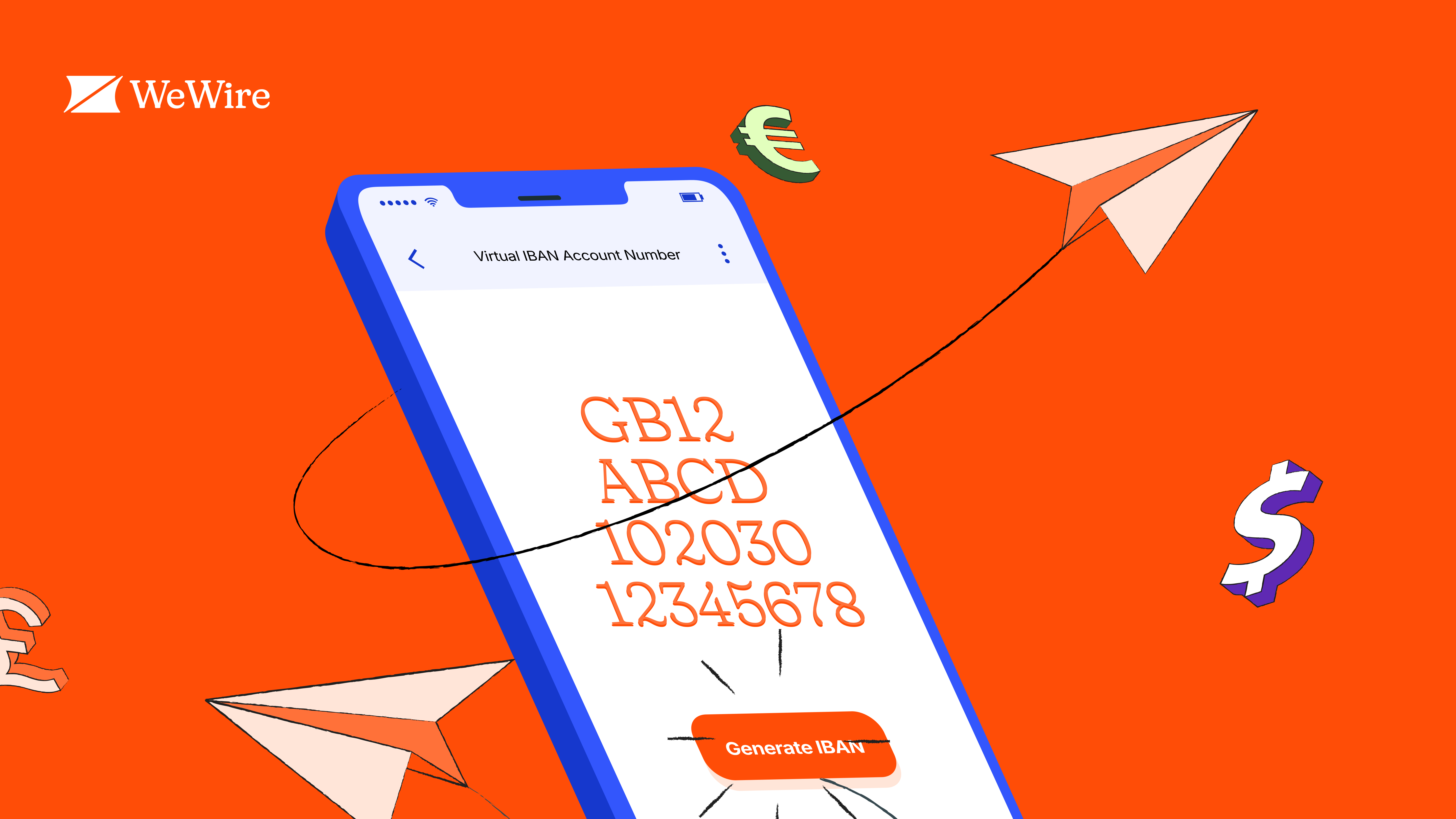
How Virtual Accounts Lower Costs for Import Transactions
February 18, 2025 by Diadem Akhabue In the bustling world of international trade, a small import business owner named Lisa found herself drowning in unexpected costs. Every time she made a payment to her overseas suppliers, fees piled up. From high wire transfer charges to hidden currency conversion losses, these expenses were eating away at her profits. Lisa knew there had to be a better way. That’s when she discovered virtual accounts—a game-changing solution that revolutionized how she managed cross-border payments and slashed her transaction costs. Virtual Accounts lower costs for import transactions, offering a lifeline to businesses striving to stay competitive. For importers like Lisa, virtual accounts are no longer just a “nice-to-have”; they are an essential tool for success in today’s global market. By providing cost-effective, efficient, and scalable payment solutions, virtual accounts have become indispensable for businesses navigating the complexities of import transactions. A virtual account is a unique identifier linked to a master account. Unlike traditional bank accounts, virtual accounts don’t physically exist. Instead, they serve as a digital ledger to track incoming and outgoing payments. For businesses, this means they can assign specific virtual IBANs (International Bank Account Numbers) to their customers, vendors, or transactions to streamline their financial processes. Importing goods involves numerous costs beyond the price of the product. Common expenses include: These challenges can quickly erode profit margins, especially for businesses that frequently deal with cross-border suppliers. Virtual accounts lower costs for import transactions and addresses these pain points with innovative features that improve cost-efficiency and operational effectiveness. Here’s how: Traditional cross-border transactions often involve multiple banks, each taking a cut. Virtual accounts, especially those provided by modern fintech platforms, enable direct payments that bypass intermediaries. This can result in savings of up to 10-15% on transaction fees. Many virtual account providers offer competitive forex rates compared to traditional banks. Businesses can lock in favorable exchange rates or leverage multi-currency accounts to reduce currency conversion losses. According to Deloitte, companies adopting fintech solutions for currency management save an average of 5-7% on exchange-related costs. Virtual accounts allow businesses to assign a unique IBAN to each supplier or transaction. This automation simplifies payment reconciliation, reduces errors, and minimizes the need for manual intervention. A study by PwC found that automated reconciliation processes cut operational costs by 20-30%. Unlike traditional banking, which often involves opaque fee structures, virtual account providers are known for transparent pricing. Importers gain better control over their finances, reducing the risk of unexpected charges. For businesses scaling operations, virtual accounts make it easy to manage payments across multiple markets without the need for opening and maintaining multiple bank accounts. This reduces administrative overhead and associated costs. Consider a mid-sized import business sourcing products from three different countries. Previously, they relied on traditional banking for payments, incurring high fees and delays. After switching to virtual accounts: In an increasingly competitive global market, importers need every advantage to stay ahead. Virtual accounts provide: At WeWire, we understand the challenges faced by importers and offer a cutting-edge virtual account platform designed to simplify cross-border payments. With WeWire, businesses benefit from:
Diadem Akhabue

What Are Virtual Accounts?
The Cost Challenges of Import Transactions
How Virtual Accounts Help Reduce Import Costs
1. Eliminating Intermediary Banking Fees
2. Better Currency Exchange Rates
3. Streamlined Reconciliation
4. Transparent Cost Structures
5. Scalability for Growing Importers
How Virtual Accounts Lower Costs for Import Transactions
The Competitive Advantage of Virtual Accounts
Why WeWire Is the Solution for Importers
Conclusion

A Complete Guide to Optimizing Cross-Border Payments with Virtual Accounts
February 18, 2025 by Diadem Akhabue Cross-border payments are some of the most critical transactions for global businesses. While building products is essential, the ability to seamlessly receive and send payments to suppliers, partners, vendors, and clients wherever they are in the world is the engine room for the success of any global business. Optimizing cross-border payments with Virtual Accounts offer a practical solution to simplify this process, ensuring businesses stay efficient and competitive. Making cross-border payments through traditional international payment systems is often challenging, especially for fast-paced businesses. With traditional systems, businesses are also usually required to operate local bank accounts in foreign locations to be able to carry out transactions in foreign currencies. After all the bureaucratic obstacles, the payment processes are slow, expensive, and opaque, hindering growth and impacting the bottom line. Multiple intermediaries each take a cut, leading to exorbitant fees. Opaque exchange rates leave businesses unsure of the actual cost of their transactions. And lengthy processing times can disrupt supply chains and delay crucial payments. These inefficiencies are simply unacceptable in today’s fast-paced global market. But there’s a solution: Virtual Accounts. Virtual International Bank Account Numbers (IBANs) or simply Virtual accounts have emerged as a solution for optimizing cross-border payments, offering faster, more cost-effective, and efficient transactions. This comprehensive guide will delve into the world of Virtual IBANs and how they can revolutionize your international payment strategy. The volume and value of cross-border payments have seen significant growth over the past decade, increasing by 61% and 37%, respectively. Despite this growth, nearly 30% of banks and fintech companies identify cross-border payment efficiency as a major pain point for their clients. This highlights the pressing need for more streamlined international payment solutions. Africa is experiencing notable economic growth, with projections indicating that the continent will account for eleven of the world’s 20 fastest-growing economies in 2024. Overall, real GDP growth for Africa is expected to average 3.8% in 2024 and 4.2% in 2025, outpacing global averages. As African businesses expand their reach into global markets, the demand for efficient and cost-effective cross-border payment solutions becomes increasingly critical. A Virtual Account functions similarly to a traditional IBAN but is not tied to a specific physical bank account. Instead, it is linked to a master account, allowing businesses to receive and manage funds in multiple currencies without the need to open multiple bank accounts in different countries. Virtual accounts have applications across a wide range of industries, including: Selecting the right virtual account provider is critical for optimizing your cross-border payment processes. Here are key factors to consider: Optimizing Cross-Border Payments with Virtual Accounts has many advantages, but one key feature that makes this payment system a system of choice is the security. Virtual Accounts come with advanced security features to protect your funds and transactions: WeWire offers virtual accounts that empower businesses to manage cross-border transactions efficiently. With WeWire’s virtual IBANs, businesses can: By leveraging WeWire’s virtual account solutions, businesses can reduce transaction fees by up to 20%, eliminate unnecessary payment costs, and gain instant access to global markets. In conclusion, Virtual Accounts are transforming the landscape of cross-border payments, particularly for businesses in high-growth regions like Africa. Optimizing cross-border payments with Virtual Accounts is key to overcoming inefficiencies in traditional systems. Partnering with providers like WeWire can facilitate seamless international transactions, positioning businesses for sustained growth in the global marketplace.
Diadem Akhabue

The Growing Demand for Efficient Cross-Border Payments
Africa’s Economic Expansion and the Need for Seamless Payments
Understanding Virtual Accounts
How Virtual Accounts Optimize Cross-border Payments for Businesses
Relevant Industries That Use Virtual Accounts
How to Choose a Virtual Account Provider
Security Features of Virtual Accounts
WeWire: Your Partner in Optimizing Cross-Border Payments
What is a Virtual Account & Why your business needs one
Diadem Akhabue
February 1, 2025 by Diadem Akhabue

Let’s tell a short story – Ahmed is the CEO of a manufacturing company which has been highly successful with clients within his home country. Over the last few years, his clientele and partners have grown beyond his country’s borders, reaching Europe, the United States, and other regions, enabling him to operate internationally. He now needs to process several high-value transactions to vendors and clients in countries like China, Denmark, USA, etc.
Here comes the problem – his bank accounts are local, forcing him to use multiple third parties to pay his partners in international currencies or collect payments from his clients. Setting up foreign accounts has been a hassle, particularly because his base is in Africa. This is a common problem for businesses on the verge of expansion– sourcing international banking partners or solutions. This is where Virtual Accounts (vIBAN) come in, allowing businesses to operate multiple virtual accounts in foreign countries.
In this article, we will explore what a virtual account is and why your global business needs one.
What is a Virtual Account?
A virtual IBAN (International Bank Account Number) is a bank account number issued to businesses or individuals to enable them to receive or send money internationally. Unlike a regular IBAN, which is tied to a single financial institution, a Virtual Account enables businesses to collect payments in different currencies, making it bank agnostic and fit for multi-purposes. With a virtual account, businesses can easily process high value and volume of multi-currency payments, route them, and reconcile payments.
Virtual Account is a long combination of letters and numbers that represent the country code, which specifies the country to which the bank account is linked, the check digit code, the bank identifier code, the sort code, and the account number. These codes are essential as they make tracing transactions easier and ensure security.
How does Virtual IBAN work?
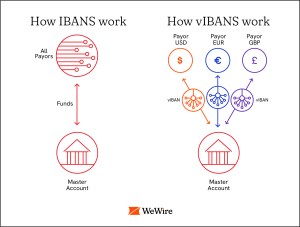
Virtual IBANs are efficient and convenient for cross-border payments. With a vIBAN provider like WeWire, businesses can rest assured of the security of their business information, funds and transactions due to the robust security measures and KYC levels in place.
A business owner can generate multiple authorised vIBANs to manage cross-border transactions in various global currencies. Once a merchant creates a Virtual IBAN with a provider such as WeWire, the account can be incorporated into their payment system for customers. The virtual IBAN system allows merchants to collect payments in different currencies including Euro, Dollar, Pounds, etc.
When a payment is initiated, WeWire identifies the associated virtual account and routes the funds to the corresponding primary account. The multi-currency feature converts the currency if necessary, ensuring you receive the funds in your preferred currency.
Why your business needs a virtual account
The benefits of this virtual payment system, which uses encryption to ensure security and traceability, are significant, especially for businesses that process cross-border transactions and high-volume payments.
With WeWire, businesses can get virtual accounts for their transactions, track payments and simplify their reconciliation process.
Here are some important benefits of virtual accounts for global businesses
- Cost Saving—By streamlining payments with virtual account, businesses save on the high costs associated with traditional international transfers and currency conversion fees. Virtual account payments are typically processed in the recipient’s local currency, minimising or eliminating these fees. When conversion is necessary, WeWire offers competitive rates to ensure businesses get the best value for their payments. Merchants also eliminate the cost of fees paid to intermediaries and multiple third-party partners.
- Multi-Currency Functionality—Virtual Account empowers businesses to make payment operations without a physical bank account in the location. Through WeWire’s local payment partners, business owners who sign up for vIBAN can receive money in various local and international currencies without needing to maintain traditional bank accounts in the said countries.
- Efficient Fund Management—Virtual accounts allow businesses to compartmentalise their finances, making it easier to track funds, streamline accounting, and adhere to financial regulations. You can assign a specific vIBAN to a particular client, project, or even a department within the organisation.
- Security—Virtual Accounts can help detect and reduce fraud by providing an additional security barrier. The infrastructure they are built on allows you to remotely restrict access, making them less vulnerable to fraudulent activities. If fraud is suspected, virtual accounts can be quickly disabled, reducing exposure and the risk of financial damage.
- Faster Transaction Time—Apart from being expensive, traditional cross-border payments can be time-consuming as well. Virtual accounts streamline the process by providing a digital equivalent of a regular IBAN, enabling online transactions and reducing paperwork.
Conclusion
In today’s competitive business landscape, businesses like Ahmed’s need to overcome the challenge of managing cross-border payments efficiently and scale globally with minimal hurdles. Virtual accounts provide a powerful solution, offering cost savings, multi-currency flexibility, and enhanced security. By simplifying the payment process, they empower businesses to scale internationally without the headaches associated with traditional banking systems.
Is your business ready to take the next step in global expansion?
Sign up for WeWire’s Virtual Account today and start enjoying the benefits of fast, secure, and efficient cross-border transactions.