



Africa’s $6B P2P USDT Economy Is Growing. Will the GENIUS Act Break or Boost It?
July 30, 2025 by johneb492254456
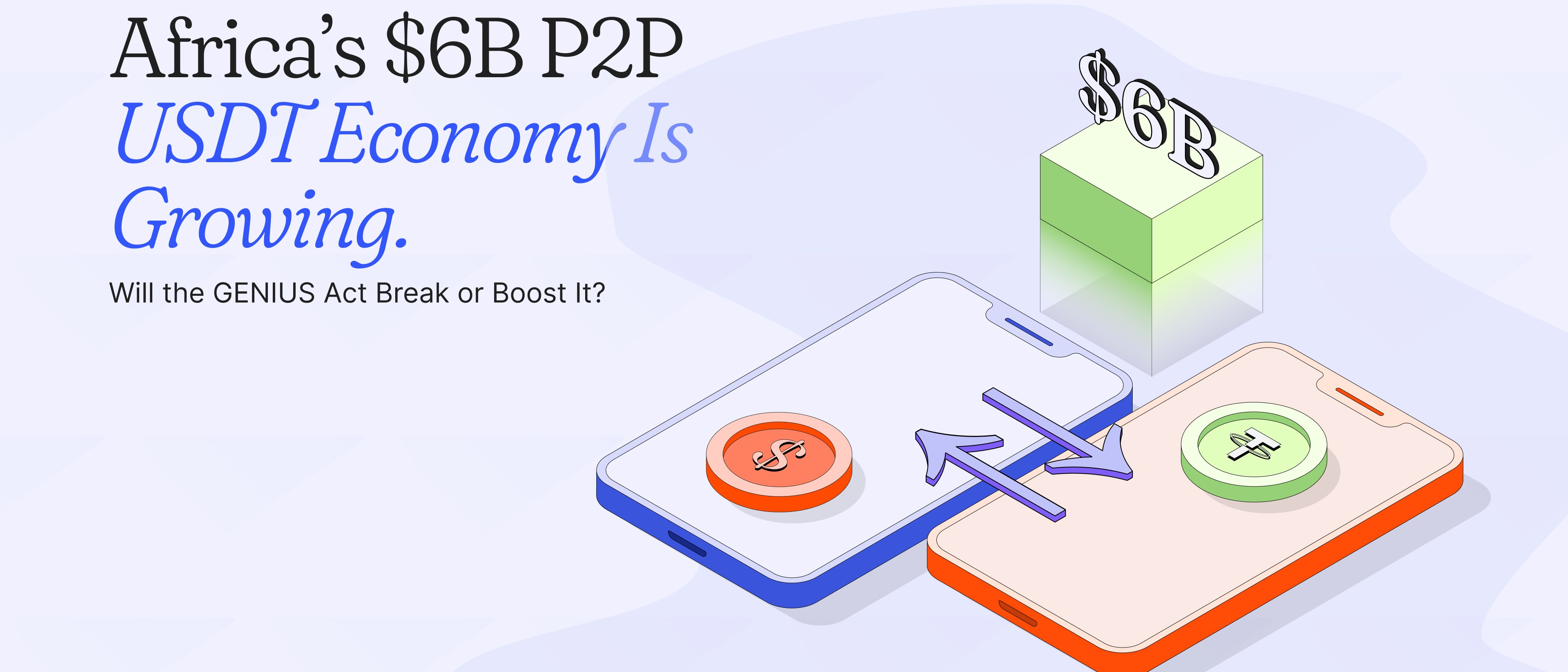
Africa’s peer-to-peer (P2P) economy, powered by stablecoins like USDT, has surged to a $6 billion market, reshaping trade and finance across the continent. This presentation explores the growth of this digital economy, the potential impact of the U.S.-proposed GENIUS Act, and the influence of recent geopolitical events, including Middle East conflicts and commodity market shifts. Drawing on insights from financial news, think tanks, and official reports from the IMF and World Bank, we analyze the drivers, opportunities, and risks for African markets. Tailored for the general public, this week’s StayWired topic offers a clear and engaging look at how digital currencies and global policies are transforming Africa’s economic landscape.
Blockchain analytics from Chainalysis report that sub-Saharan Africa accounted for 9.1% of global cryptocurrency transactions in 2024, with USDT dominating 60% of P2P trading volume, equating to roughly $3.6 billion in monthly transactions across Nigeria, Kenya, and South Africa alone. Stablecoins like USDT, pegged to the U.S. dollar, enable African traders and individuals to bypass traditional banking barriers, where cross-border transaction fees can reach 7-10% and take days to settle. The continent’s young population, with 70% under 30 years old, and mobile penetration rates exceeding 85% in key markets, have fueled this growth, with platforms like Binance reporting a 120% year-over-year increase in P2P USDT trades in Nigeria.
The World Bank notes that sub-Saharan Africa’s digital economy grew by 15% annually from 2020 to 2024, supported by blockchain’s secure and transparent transactions. Geopolitical uncertainties, including a tripling of global trade restrictions since 2019, have pushed African users toward USDT to circumvent volatile local currencies, like the Nigerian naira, which depreciated 40% against the USD in 2024, and restricted USD access. This digital shift empowers small-scale traders and businesses, with 80% of African P2P users being micro-entrepreneurs, to engage in global markets with unprecedented ease.

Recent geopolitical events have significantly influenced the growth of Africa’s P2P USDT economy. The Russia-Ukraine conflict and escalating Middle East tensions, particularly in 2024, have disrupted global commodity markets, including oil, which accounts for one-third of the world’s seaborne trade. These disruptions, as highlighted by the World Bank, have caused oil price volatility, impacting African economies reliant on imports. The IMF reports that trade restrictions have tripled since 2019, creating a fragmented global economy where African traders face challenges accessing USD through traditional banking systems. Fears of sanctions and tariffs, such as those threatened by U.S. policymakers in 2024, have driven adoption of USDT as a decentralized alternative. This allows African users to maintain trade continuity with partners in Asia and the Middle East, where USDT is increasingly accepted for commodity transactions.
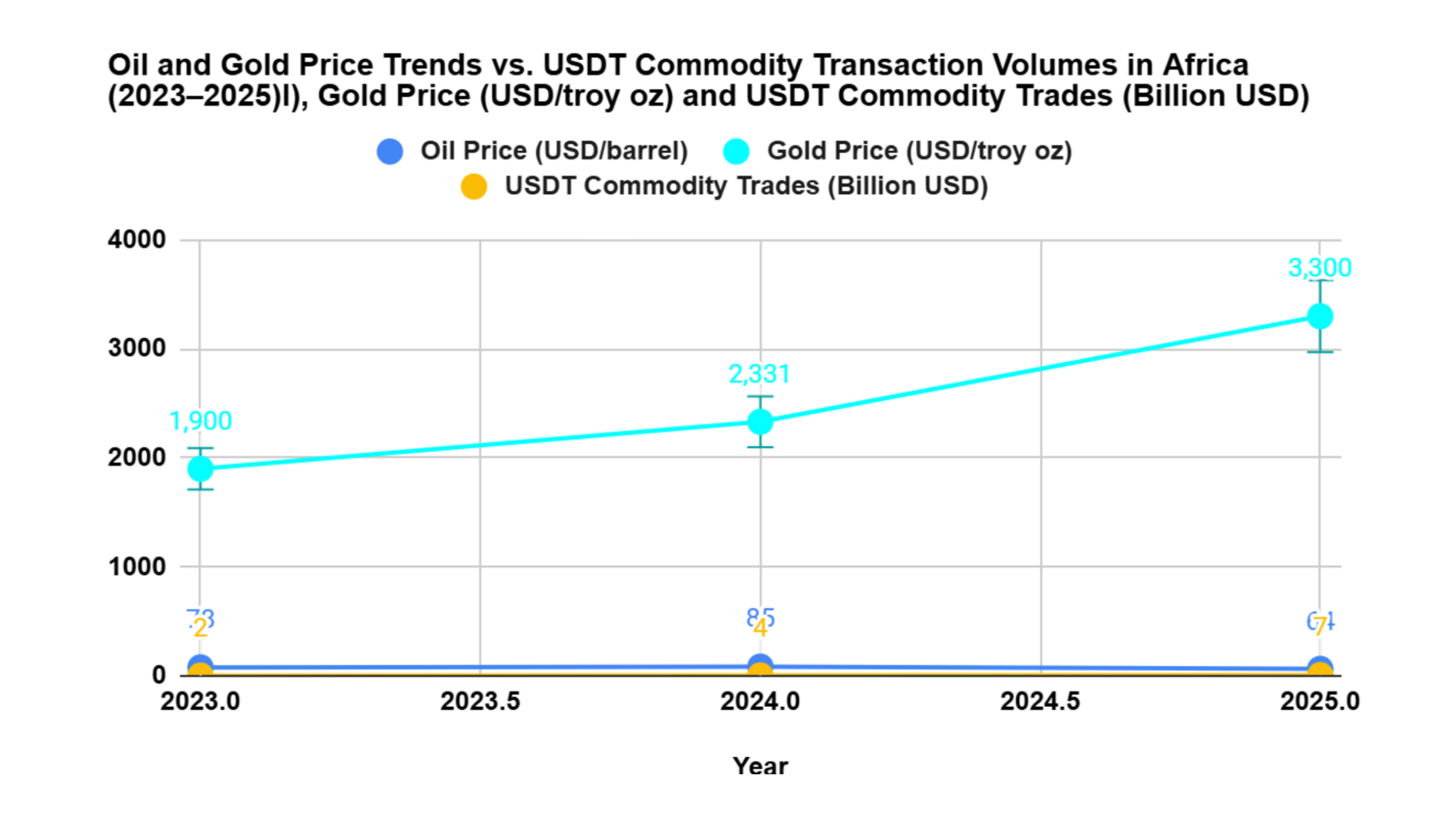
The Middle East’s role in oil markets and the rising prominence of gold as a safe-haven asset have bolstered Africa’s shift to USDT. World Bank data indicates that oil price volatility, driven by Middle East conflicts, could increase prices by 6% in 2024, straining African economies with limited USD reserves. USDT provides a stable, dollar-pegged alternative for oil and commodity payments, reducing exposure to currency fluctuations. Meanwhile, gold prices hit a record $2,331 per troy ounce in April 2024, driven by central bank purchases in emerging markets, as noted by the World Bank. This shift toward “politically neutral” assets reflects a broader move away from USD dominance, with African traders using USDT to settle transactions in gold and other commodities. Financial news sources like Bloomberg highlight growing non-dollar commodity contracts, further enabling USDT’s role in African P2P markets.
The Guiding and Establishing National Innovation for U.S. Stablecoins (GENIUS) Act, signed into law on July 18, 2025, establishes a federal regulatory framework for stablecoins like USDT, with significant implications for Africa’s $6 billion P2P economy. By requiring issuers to maintain 100% reserve backing and comply with stringent anti-money laundering and sanctions protocols, the Act enhances trust in stablecoins, potentially boosting their adoption among African traders seeking reliable digital payment solutions.
Financial news sources report that the Act’s clarity could attract institutional players, increasing USDT’s legitimacy for cross-border transactions in sub-Saharan Africa, where 60% of the population remains unbanked. However, the Act’s strict compliance requirements, including monthly reserve attestations and federal oversight, may raise costs for platforms like Binance, which could pass onto users, potentially limiting P2P trading in cost-sensitive markets like Nigeria and Kenya. The World Bank highlights that regulatory clarity can drive financial inclusion, but African nations must develop complementary frameworks to balance innovation with consumer protection, ensuring the P2P economy continues to thrive amidst global regulatory shifts.
Africa’s $6B P2P USDT economy stands at a crossroads as geopolitical and regulatory dynamics evolve. The GENIUS Act could boost growth by providing regulatory clarity, attracting institutional players, and enhancing financial inclusion, as suggested by World Bank reports on digital economies. However, overly restrictive policies could stifle the informal, low-cost P2P ecosystem that thrives on accessibility.
Geopolitical risks, including Middle East conflicts and trade barriers, will likely continue driving USDT adoption as African traders seek resilient payment solutions. The IMF’s exploration of central bank digital currencies (CBDCs) suggests future competition, but USDT’s global reach and ease of use give it a strong foothold. For African economies, balancing innovation with regulatory compliance will be key to sustaining this digital transformation. The general public should watch how these trends unfold, as they could redefine global trade and finance.