



China Built Africa’s Railways. Now It’s Rewriting Its Trade Maps
August 27, 2025 by johneb492254456

China’s extensive involvement in Africa’s infrastructure, particularly through railways and related projects under the Belt and Road Initiative, represents a calculated effort to reshape the continent’s economic landscape and direct trade patterns toward Beijing. This presentation, as part of the StayWired series, explores how these developments go beyond mere construction to create lasting dependencies that favor Chinese interests, drawing on insights from financial news, think tanks, and official reports to provide a grounded analysis for the general public. By examining historical shifts, key projects, trade transformations, and broader implications, we uncover the ways in which Africa’s connectivity is being realigned in a rapidly evolving global context.
Africa’s trade networks have long been influenced by external powers, beginning with colonial-era pathways that funneled resources primarily to European markets through coastal ports and limited inland connections. In the post-independence period, these systems remained fragmented due to underinvestment and political instability, resulting in inefficient logistics that hindered intra-continental commerce and global integration. Today, China’s interventions are forging a new paradigm by establishing integrated corridors that prioritize efficiency and alignment with Beijing’s supply chains, effectively overwriting outdated maps to create hubs that enhance resource extraction and market access for Chinese goods. This transition is evident in the way modern infrastructure now links mineral-rich interiors directly to export-oriented ports, fostering a network that could dominate Africa’s economic future.
Through the Belt and Road Initiative, China has financed and constructed numerous railway projects across Africa, aiming to boost connectivity and economic activity. For instance, the rehabilitation of the Tanzania-Zambia Railway, originally built in the 1970s and spanning over 1,860 kilometers, has been revitalized with recent agreements signed in 2024 to improve cargo transport for commodities like copper from Zambia to Tanzanian ports, addressing decades of deterioration that limited its capacity to just a fraction of its potential. Similarly, Angola’s Lobito-Luau Railway, rehabilitated in 2015 at a cost of $1.2 billion and stretching 1,344 kilometers, connects key mining regions to Atlantic ports, facilitating faster export of minerals and reducing reliance on road transport.
In Zimbabwe, a $533 million deal in 2024 with Chinese firms targets the upgrade of colonial-era tracks to support coal exports, while ambitious plans for a 3,400-kilometer mega-rail linking Sudan to Chad across the Sahara promise to transform freight movement among multiple landlocked nations. These efforts, often funded by Chinese loans and executed by state-linked companies, exemplify how Beijing is embedding its influence into Africa’s physical and economic framework.
By integrating railways with ports and logistics hubs, China is systematically altering Africa’s economic geography to create streamlined pathways that direct trade flows toward its own markets and financing ecosystems. This redesign manifests in enhanced supply chains where African raw materials, such as minerals and agricultural products, are more efficiently routed to Chinese buyers, while imports of manufactured goods from China become more accessible via these corridors. Reports indicate that such infrastructure has contributed to a surge in bilateral trade, with China’s commerce with Belt and Road countries reaching $1.34 trillion in 2019, growing 7.4 percent faster than with non-participating nations, largely driven by exports of construction materials and machinery.
The economic ramifications of China’s railway push extend to creating dependencies that streamline African exports toward Beijing, as evidenced by China’s status as the continent’s largest trading partner, with bilateral trade expanding fourfold in recent decades according to think tank analyses. This alignment is supported by data showing that Chinese investments in infrastructure have driven exports of equipment and standards, such as in hydropower-linked projects that boosted machinery shipments worth hundreds of millions, fostering a cycle where African economies become intertwined with Chinese supply networks.
Consequently, countries benefit from improved connectivity that reduces transport times and costs, yet they also face heightened reliance on Chinese markets for their commodities, with trade imbalances favoring Beijing’s imports over balanced exchanges. Insights from official reports reveal that this has accelerated economic growth in some regions but raised concerns over debt sustainability, as loans for these projects often tie repayments to resource concessions.
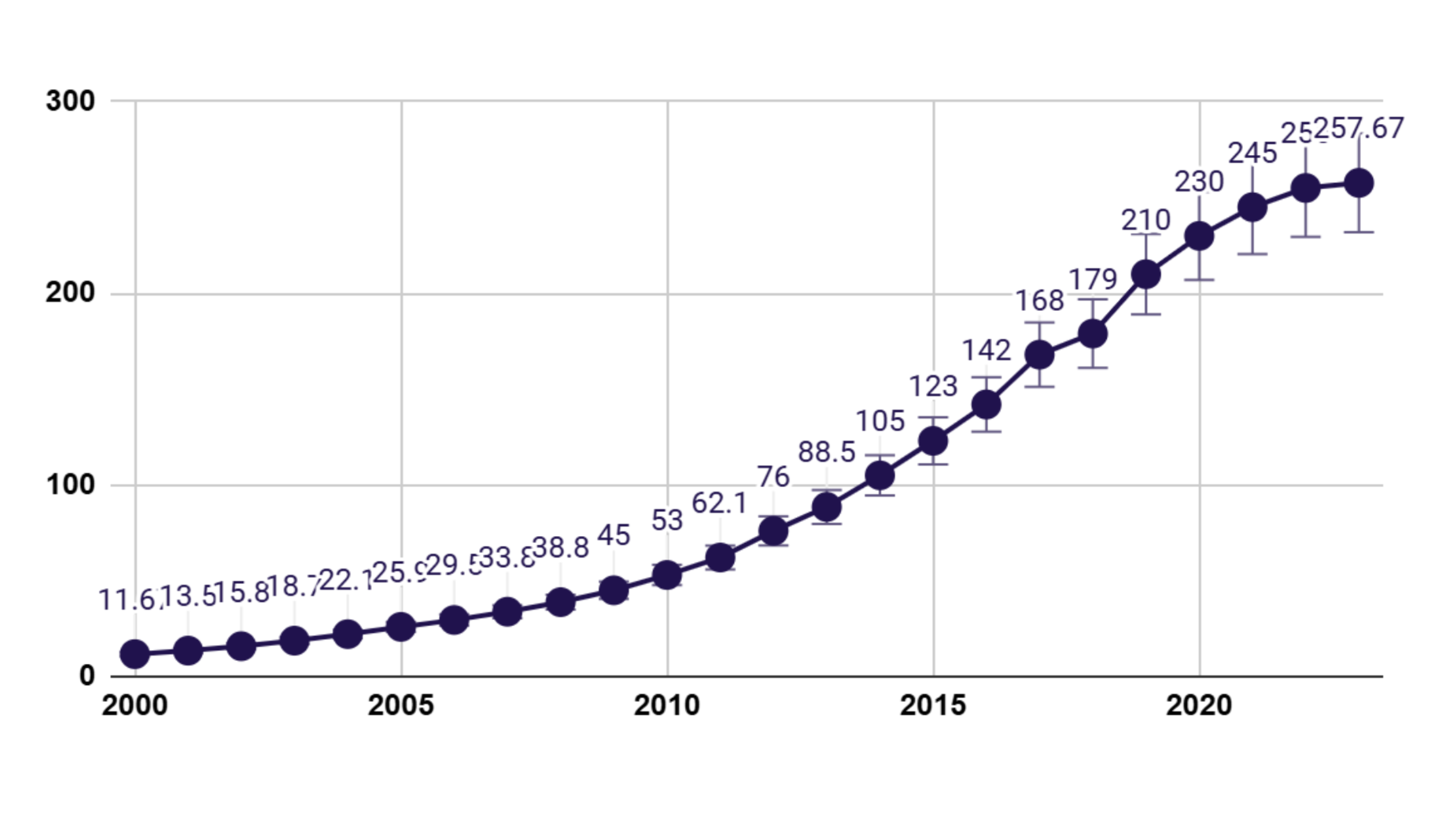 Politically, nations entangled in Chinese-financed railways often find themselves indebted, leading to reliance on Beijing’s ongoing support for maintenance and expansions, which can influence domestic policies and international alignments. Geopolitically, this infrastructure dominance risks marginalizing other players, as China’s control over key arteries could sideline initiatives from the European Union or India, while enhancing Beijing’s strategic footing in resource-rich areas. For example, debt distress in several African countries, with seven deemed at risk by the World Bank in 2020 due to Chinese loans, underscores how financial obligations can translate into political leverage, prompting renegotiations that favor Beijing.
Reflecting on these developments, China’s railway initiatives offer valuable lessons in rapid infrastructure deployment but also reveal challenges like opaque lending practices and environmental concerns that could undermine long-term sustainability. Moving forward, African nations may seek diversified partnerships to balance dependencies, while global stakeholders like the United States respond with alternatives such as the Partnership for Global Infrastructure and Investment to counter Beijing’s influence. Data from recent forums suggest that while trade ties continue to deepen, with China pledging further investments in 2024, the evolving landscape demands vigilant oversight to ensure equitable benefits. Ultimately, this rewriting of trade maps could propel Africa’s integration into the global economy, provided it navigates the risks of over-reliance on a single partner. Here, insert a pie chart breaking down Africa’s debt holders by creditor type, based on IMF and World Bank figures, to emphasize China’s prominent role.