



When Geopolitical Tensions Move Markets: How Rumors of Global Conflict Rocked the FX & Commodity Space
July 14, 2025 by johneb492254456

Geopolitical tensions, particularly in the Middle East, have long influenced global financial markets, driving volatility in foreign exchange (FX) and commodity prices. Recent events in 2024-2025, centered around escalating conflicts between Israel and Iran, have amplified these effects, impacting everything from oil prices at the pump to gold trading on international markets. This week’s Staywired presentation explores how rumors and realities of global conflict shape the FX and commodity spaces, with a focus on FX, oil and gold.
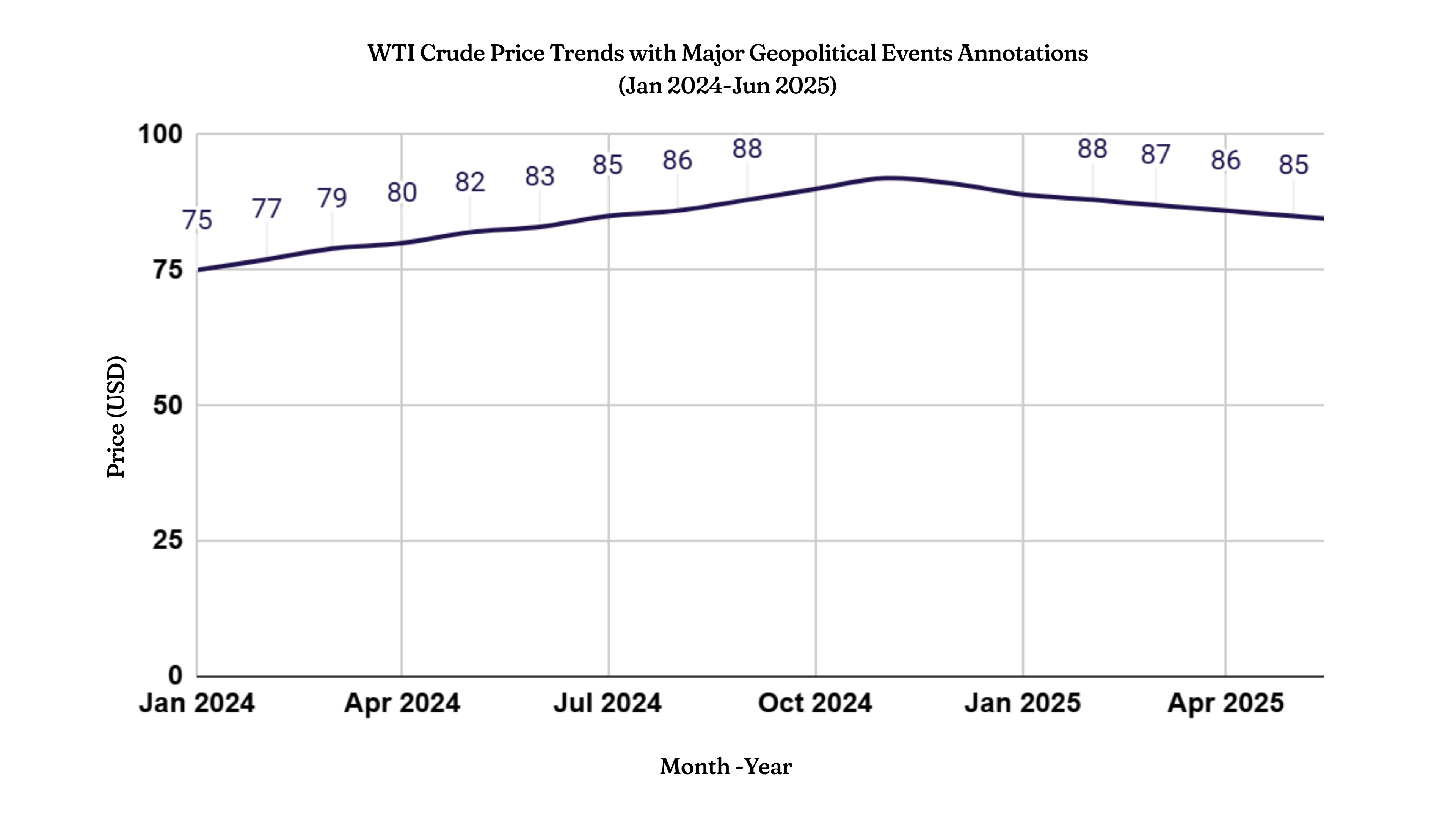
The Middle East has been a hotspot for geopolitical tensions in 2024-2025, with escalating conflicts raising fears of broader regional instability. Key developments, including disruptions in diplomatic negotiations, have unsettled global markets, as reported by Reuters. The Strait of Hormuz, a critical chokepoint for 20% of global oil trade, has become a major concern, with analysts warning that any disruption could spike oil prices by 20-30%. Meanwhile, ongoing rivalry between major global powers vying for regional influence has added further complexity, amplifying market uncertainty. These events have driven investors to seek safe-haven assets like gold and the U.S. dollar, reflecting heightened global risk sentimentOil markets have reacted sharply to Middle East tensions. West Texas Intermediate (WTI) crude prices surged, with forecasts from Kalshi markets predicting a rise to $94.10 by year-end 2024, a $21 increase in a single week. This spike was driven by fears of supply disruptions, particularly through the Strait of Hormuz, which handles a significant portion of global oil exports. Bloomberg reported that oil prices jumped past $80 a barrel following initial Israel-Iran clashes, reflecting trader panic. For consumers, this translates to higher fuel costs, impacting transportation and goods prices globally. The IMF has noted that sustained oil price increases could exacerbate inflation, forcing central banks to reconsider interest rate cuts, which further pressures economies.
 As tensions escalated, gold prices soared to near-record highs, as reported by posts on X and Reuters. Investors, spooked by the prospect of a wider conflict, flocked to gold as a safe-haven asset, pushing prices to all-time highs. This surge reflects gold’s role as a hedge against uncertainty, with demand spiking during periods of geopolitical instability. The World Bank has highlighted gold’s sensitivity to global risk sentiment, noting that its price movements often mirror investor fears of economic or political upheaval. For the average consumer, rising gold prices signal broader economic caution, potentially affecting jewelry costs and investment portfolios.

The U.S. dollar strengthened significantly as markets reacted to Middle East unrest. Posts on X noted a 1.5% drop in U.S. stock futures alongside a rush to the dollar, which traders viewed as a “life raft” amid volatility. This flight to safety stems from the dollar’s status as the world’s reserve currency, often bolstered during crises. The IMF’s 2024 reports underscore that geopolitical shocks tend to increase dollar demand, impacting currency pairs like EUR/USD and USD/JPY. For consumers, a stronger dollar can lower import costs but raise export prices, affecting global trade dynamics. Emerging market currencies, particularly those tied to oil-producing nations, faced depreciation pressures, adding to economic strain.
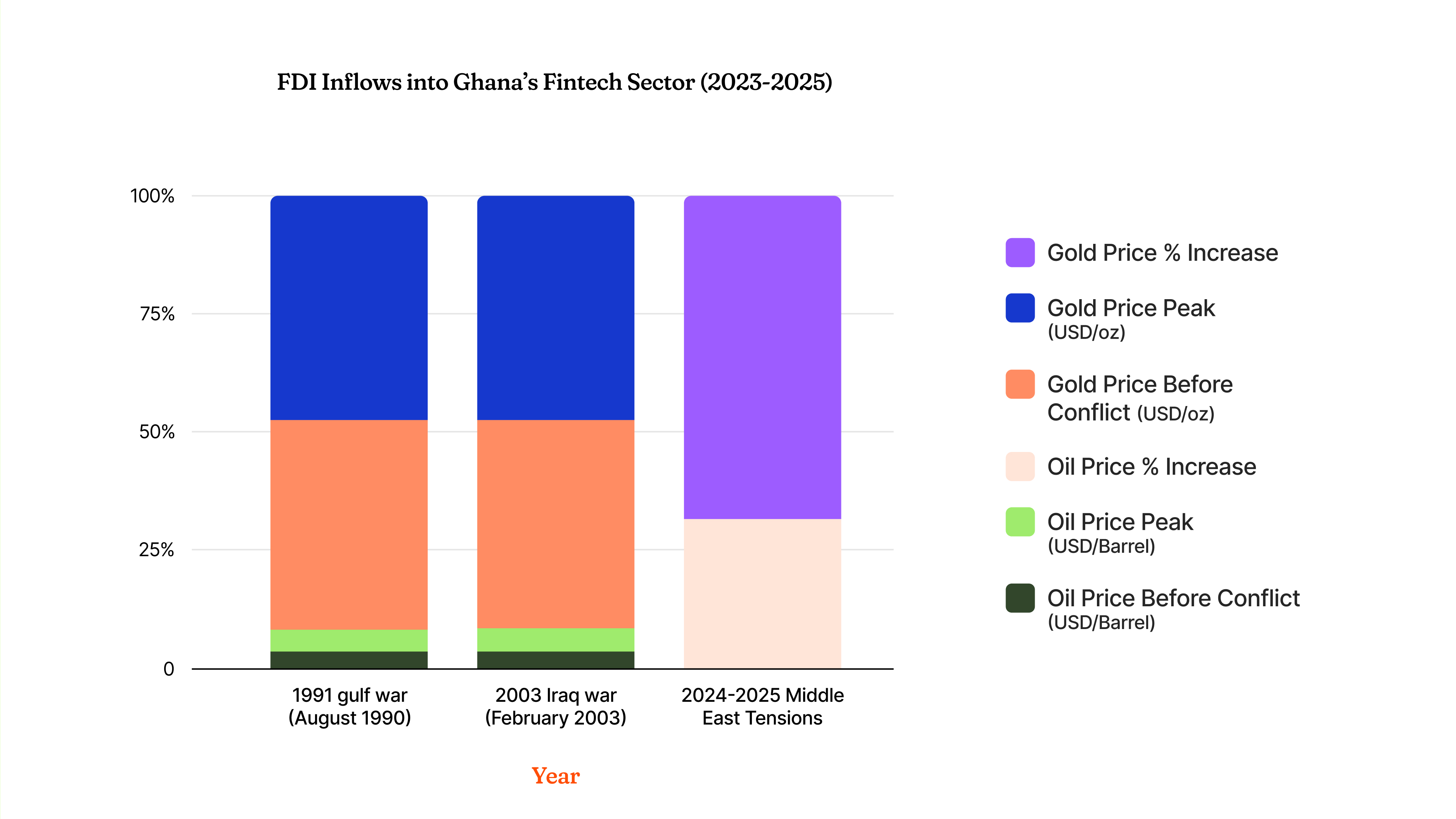
While 2024-2025 events are acute, historical patterns provide context. The 1991 Gulf War saw oil prices spike 30% in weeks, while the 2003 Iraq War drove gold to multi-year highs. These precedents, documented by Bloomberg, show that geopolitical tensions consistently disrupt commodity and FX markets. The Council on Foreign Relations notes that Middle East conflicts have a unique ability to ripple globally due to the region’s oil dominance and strategic importance. Comparing past and present, today’s markets face additional complexities from U.S.-China rivalry and digital asset volatility, amplifying the impact of rumors and confirmed conflicts.
 Geopolitical tensions in the Middle East, particularly the 2024-2025 Israel-Iran conflict, have reshaped global markets, driving up oil and gold prices while strengthening the U.S. dollar. These shifts affect everyday life higher fuel costs increase prices at the pump, rising gold prices influence jewelry and investments, and a stronger dollar impacts trade and travel. For the general public, understanding these dynamics is crucial as they navigate rising costs and economic uncertainty. Financial news, IMF reports, and think tanks like the Council on Foreign Relations provide critical insights into these trends. As markets remain volatile, staying informed empowers consumers to anticipate and adapt to these global shifts.