



Why Stablecoins Might Be Africa’s Best Shot at Cross-Border Payment Freedom
July 14, 2025 by johneb492254456

In Africa, cross-border payments are often hindered by high costs, slow processing times, and complex regulatory environments. Stablecoins, a type of cryptocurrency designed to maintain a stable value, offer a promising solution to these challenges. Using the power of blockchain technology, stablecoins can facilitate settlements between countries without a shared clearing house or a convertible currency, offering a faster, cheaper, and more accessible alternative to traditional financial systems. This week’s StayWired presentation explores how stablecoins are revolutionizing cross-border payments in Africa, their real-world applications, and their potential to reshape the continent’s financial future.
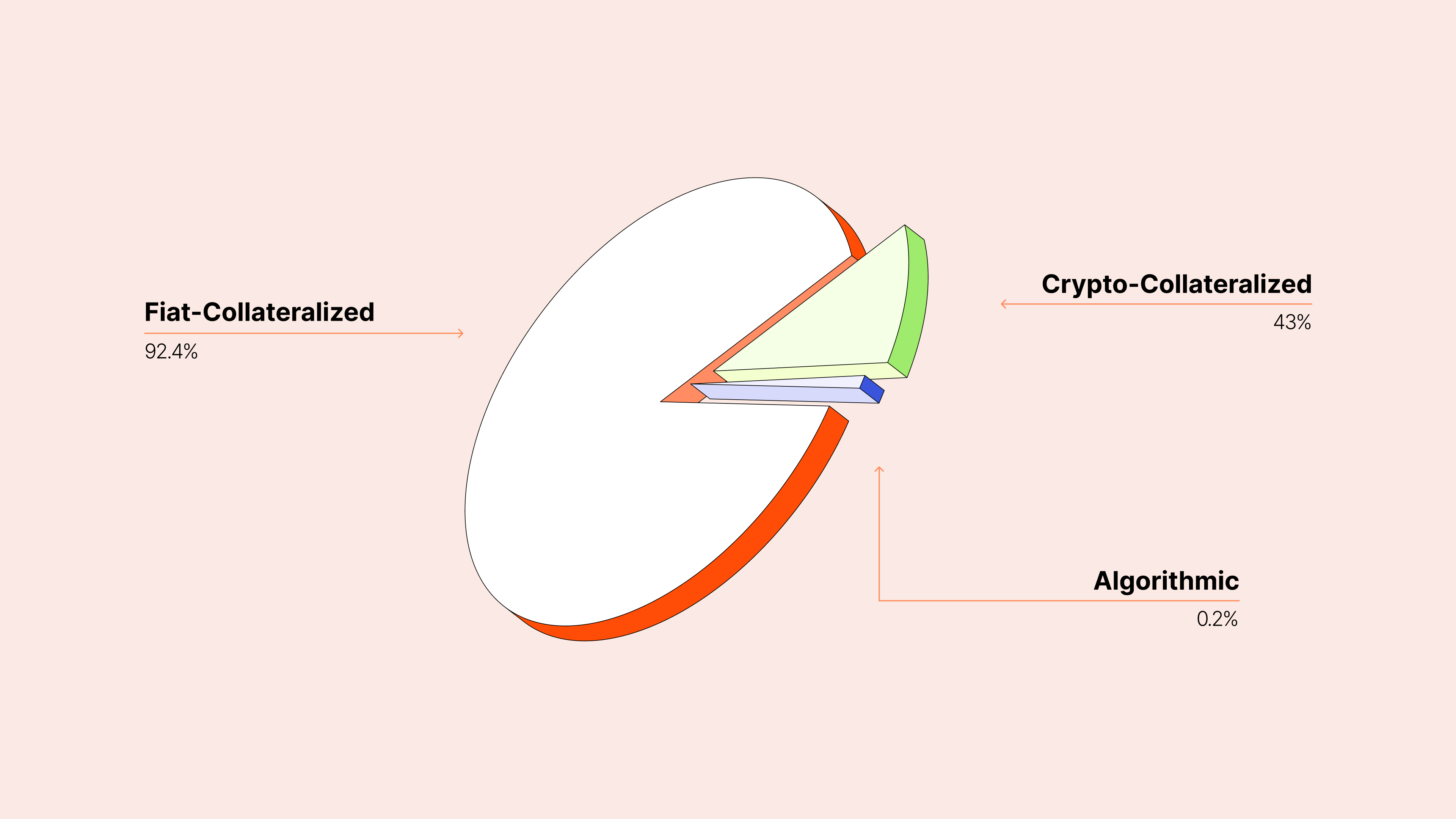
Stablecoins are cryptocurrencies engineered to maintain a stable value by being pegged to assets like fiat currencies (e.g., US dollar) or commodities (e.g., gold). Unlike volatile cryptocurrencies such as Bitcoin, stablecoins provide the benefits of digital currency—speed, security, and decentralization—without significant price fluctuations. There are three primary types of stablecoins: fiat-collateralized, backed by reserves of fiat currency like Tether (USDT) and USD Coin (USDC); crypto-collateralized, backed by other cryptocurrencies like DAI; and algorithmic, which use algorithms to control supply, such as Frax (FRAX). According to DefiLlama, as of July 2025, fiat-collateralized stablecoins dominate with approximately 92.35% of the $255 billion stablecoin market, followed by crypto-collateralized at 7.45%, and algorithmic at 0.2%.
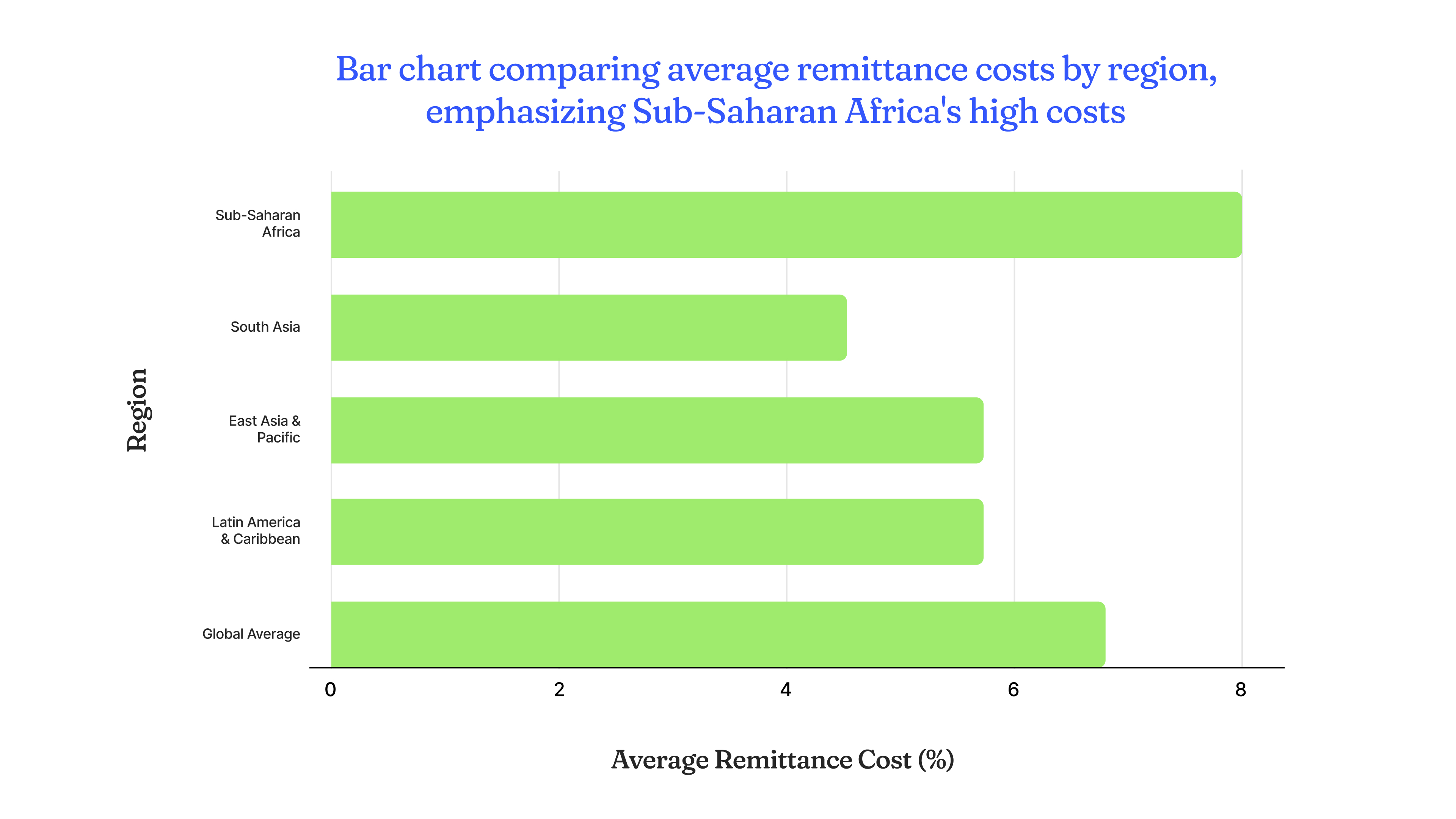
Cross-border payments in Africa face significant obstacles that hinder economic growth and financial inclusion. According to the World Bank, Sub-Saharan Africa is the most expensive region for remittances, with an average cost of 8% for a $200 transfer, compared to the global average of 6.62%. Transactions often take days to settle due to multiple intermediaries and outdated banking infrastructure. Regulatory disparities across African countries create additional complexities, as do currency exchange issues stemming from the limited convertibility and volatility of many African currencies. For instance, 70% of African countries face foreign exchange shortages, making access to stable currencies like the US dollar challenging. Security concerns, such as fraud, and infrastructure gaps further exacerbate these issues, impacting businesses, freelancers, and individuals reliant on cross-border transactions.
Stablecoins leverage blockchain technology to address the core challenges of cross-border payments in Africa. They enable transactions to settle in seconds or minutes, compared to days for traditional methods, as noted in industry reports from sources like Mural. Transaction fees are significantly lower, often less than 1%, compared to the 8% or more charged by conventional remittance services. Blockchain’s transparent ledger provides auditable records, reducing fraud risks and enhancing trust. Stablecoins are accessible to anyone with a smartphone, making them a vital tool for the unbanked, with only 49% of adults in Sub-Saharan Africa having a bank account, according to the World Bank. By reducing reliance on intermediaries like banks and clearing houses, stablecoins streamline processes and lower costs, offering a practical solution for Africa’s fragmented financial systems.
Stablecoins are already transforming cross-border payments in Africa. In Nigeria, small merchants use USDT and USDC for business-to-business payments with suppliers in Asia, avoiding the need to carry physical cash or navigate complex banking systems, as reported by Rest of World. In Kenya, mobile money platforms like M-Pesa have integrated stablecoins, enabling faster and cheaper remittances for users. According to a 2024 Chainalysis report, stablecoin transactions in Sub-Saharan Africa reached approximately $54 billion, accounting for 43% of the region’s total crypto transaction volume of $125 billion. This growth reflects stablecoins’ practical applications in remittances, small business payments, and freelance salaries, particularly in countries with volatile currencies like Nigeria and Ethiopia, where stablecoin transfers surged 180% year-over-year following currency devaluation.
 The future of stablecoins in Africa is promising, driven by their ability to address financial inclusion and cross-border trade challenges. Experts predict continued growth, with stablecoins potentially becoming the primary crypto use case in South Africa within the next three to five years, according to Rob Downes of ABSA Bank. The $54 billion in stablecoin transactions in 2024 is expected to grow as infrastructure improves and awareness increases. Regulatory developments, such as South Africa’s efforts to establish stablecoin regulations, will provide clarity and foster adoption. Stablecoins could reduce remittance costs, enhance trade efficiency, and empower the unbanked, contributing to economic growth. Collaborations with global partners and investments in African fintech startups will further accelerate stablecoin integration, positioning Africa as a leader in global digital asset adoption.